What Makes a Sensory-Friendly Haircut Work for Your Child
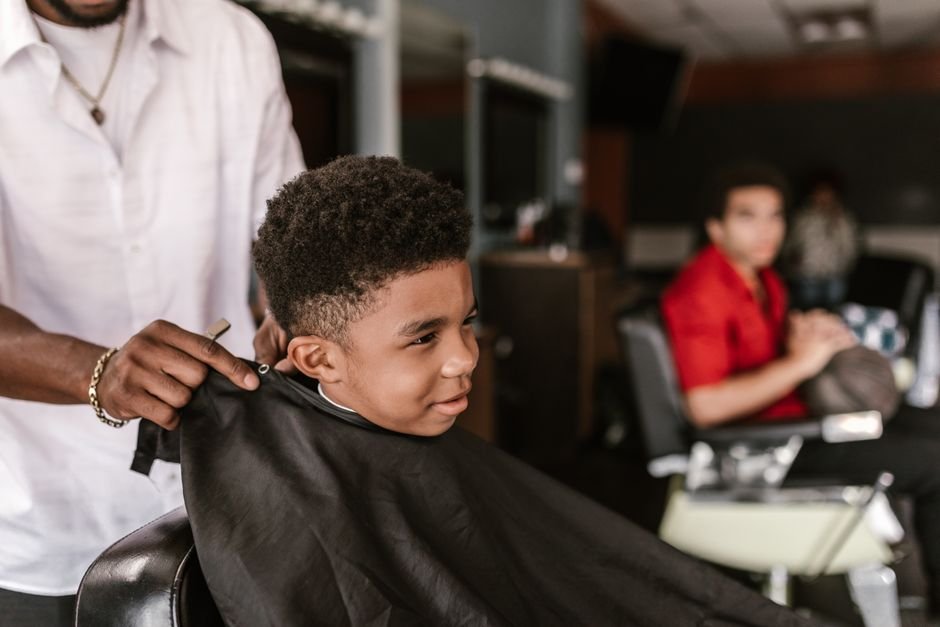
Most of what makes a sensory-friendly haircut possible happens before anyone picks up the scissors. Haircuts pack a lot into twenty minutes: buzzing clippers, a stranger touching your head, itchy cut hair on the neck, water spray, a tight cape, and a mirror you are expected to sit still in front of.
Knowing which of those bothers your child most lets you change that part instead of trying to get through the whole thing. For some children it is the sound. For others it is touch, or the feeling of being held in place. Our overview of how sensory differences show up in everyday life can help you put words to what you are seeing.
Sensory-friendly haircut requests to make when you book
- The quietest slot. First appointment of the day or a midweek morning usually means fewer people, less noise, and a barber or stylist who is not rushing.
- Scissors instead of clippers, or clippers only at the end, once your child knows what is coming. Some children manage clippers better if they can hold them, switched on, against their hand first.
- A dry cut. Skipping the spray bottle removes one of the most common surprises.
- A looser cape or your own towel, and a soft brush to clear hair from the neck as you go.
- Breaks on request. Agree on a simple signal so your child can pause without having to argue for it.
- Freedom to sit differently: on your lap, turned away from the mirror, or holding a tablet or a favorite object.
Many stylists are happy to adjust when asked, and some advertise sensory-friendly appointments. If a salon brushes off reasonable requests, it is fine to try another.
Preparing at home
A short visual sequence, such as sit, cape on, scissors, brush, all done, tells your child what to expect and when it ends. A quick visit to the shop just to look around, with no haircut, can take some of the newness out. At home, gentle practice with a comb and a spray-free trim of a few strands can help, much like the step-by-step approach in our guide to sensory-friendly toothbrushing.
One thing you can try today: decide on the single change most likely to help, maybe the time slot or the clippers, and ask for just that next visit. You do not have to fix everything at once.
Some families find home haircuts simply work better, at least for a few years. That is a reasonable choice, not a defeat. A shorter or longer style that needs fewer trims is also fair game.
If touch on the head or face makes everyday care like washing, brushing, or haircuts very hard, an occupational therapist can look at what is going on and suggest gradual ways to make it easier. The American Academy of Pediatrics’ autism pages for families are a reliable place to read more about sensory differences.
And if a haircut goes badly despite all of this, stop. Half a haircut can be finished next week.