What a Strengths-Based View of Autism Looks Like in Practice
A strengths-based view of autism starts with what a person already does well and builds support around that, without ignoring real difficulties.

A strengths-based view of autism starts with what a person already does well and builds support around that, without ignoring real difficulties.

Alexithymia, difficulty identifying and naming your own emotions, is common but not universal among autistic people, and calls for its own kind of support.

Autistic people are frequently assumed to not want friendship, when the real barrier is usually a mismatch in how connection is expressed, not a lack of desire for it.
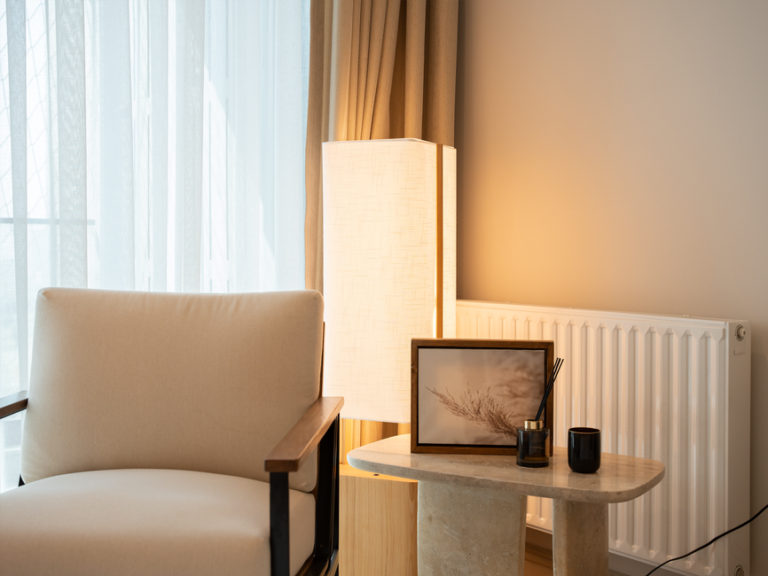
A genuinely sensory-regulating environment is built around lighting, sound, and texture choices tailored to a specific person, not a general template.

Autistic adults often describe masking as a quick, reactive suppression and camouflaging as a more sustained, constructed performance.

The double empathy problem reframes autistic communication difficulty as a two-way mismatch, not a one-sided deficit.

A spiky skill profile means unusually wide gaps between strong and weak areas — not a flaw, but a pattern support can be built around.

Autism looks different from one person to the next, and most common misunderstandings come from expecting a single template to fit everyone.
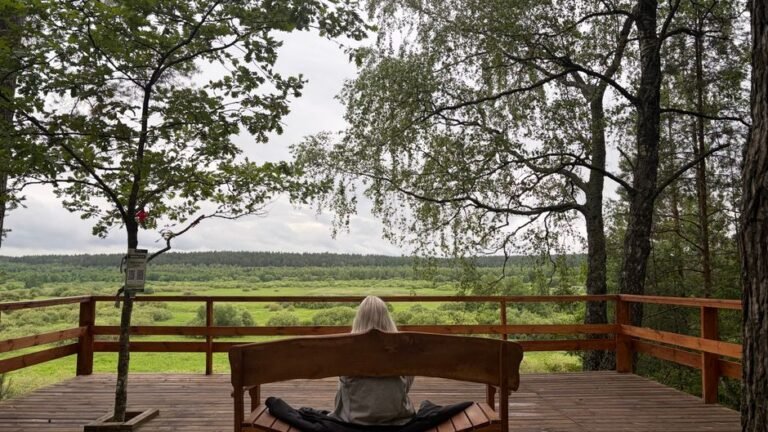
Shutdowns and meltdowns are both responses to overload, but one is loud and outward while the other is quiet and internal.

Special interests often change subject as autistic people grow up, but the intensity and comfort they provide tends to stay the same.
End of content
End of content