What the Double Empathy Problem Means for Communication
For decades, communication difficulties in autism were described almost entirely as something located inside the autistic person — a deficit to be corrected. The double empathy problem offers a different explanation: that miscommunication between autistic and non-autistic people runs in both directions, because each side is working from different, and equally valid, ways of communicating.
Where the double empathy problem comes from
The term was coined by autistic researcher Damian Milton, who argued that when an autistic person and a non-autistic person misunderstand each other, it is rarely accurate to say only one of them communicated badly. Both are reading unfamiliar social signals through their own frame of reference, and both are likely to misread the other. A peer-reviewed commentary on the theory connects this repeated cross-communication friction to some of the poorer mental health outcomes autistic people report over a lifetime of being the one asked to do all the adapting.
What it looks like day to day
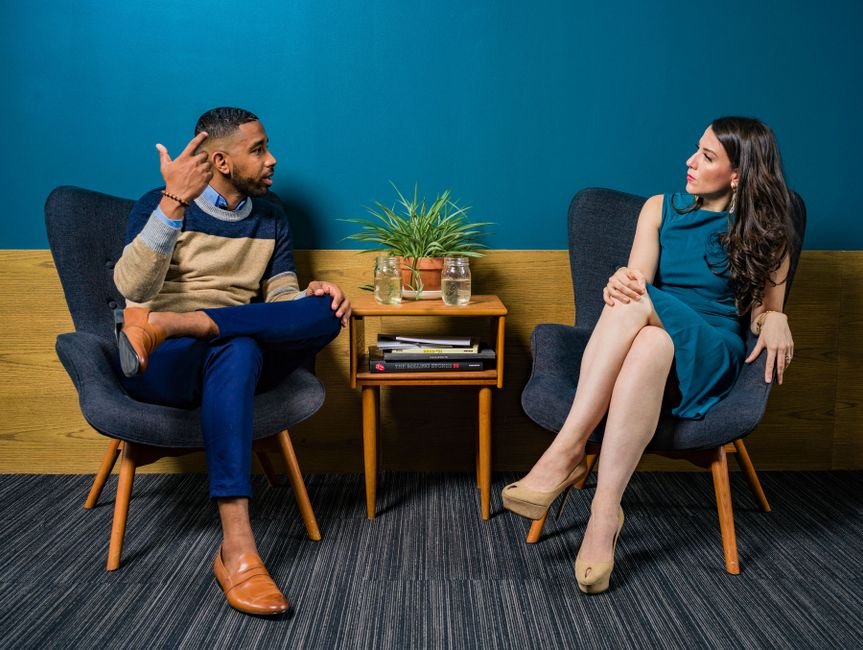
A non-autistic listener might read a flat tone of voice as disinterest, when the autistic speaker is simply not modulating tone the way the listener expects. An autistic person might take a vague, hedged request literally and miss the intended meaning entirely, while the non-autistic speaker assumes the phrasing was obviously clear. Neither person did anything wrong; they applied different, internally consistent communication rules to the same exchange and got different results. Two autistic people, notably, often report far less of this friction talking to each other than either does talking to a non-autistic person — which is hard to explain if the problem sits on only one side.
This reframes a lot of advice that has historically been aimed at autistic people alone: maintain eye contact, soften your tone, read between the lines. The double empathy problem does not say that guidance is useless, only that it is incomplete. Communication styles vary across the spectrum just as much as they vary between autistic and non-autistic people, and treating one style as the default the other must adapt to puts all the work on one side of every conversation.
What helps in practice
In practice, this means treating a communication breakdown as a two-way translation problem rather than a one-way correction. Asking directly what someone meant, rather than guessing, closes more gaps than either person independently trying harder to perform normal. It also means the effort of adapting should not fall permanently on the autistic person in the room — a family member, teacher, or coworker adjusting their own communication style closes as much distance as any amount of masking ever could, usually at a much lower cost to the person doing it.
None of this replaces individual support when communication gaps are causing real difficulty at school or work — a speech-language pathologist can help build strategies specific to the people actually involved, not a generic script. But the underlying idea is worth sitting with either way: the gap between two people talking past each other belongs to both of them, not just to whichever one is autistic.