What Makes a Sensory-Friendly Haircut Work for Your Child
Small requests and preparation that make a haircut easier for a child with sensory sensitivities, from clippers to the cape.

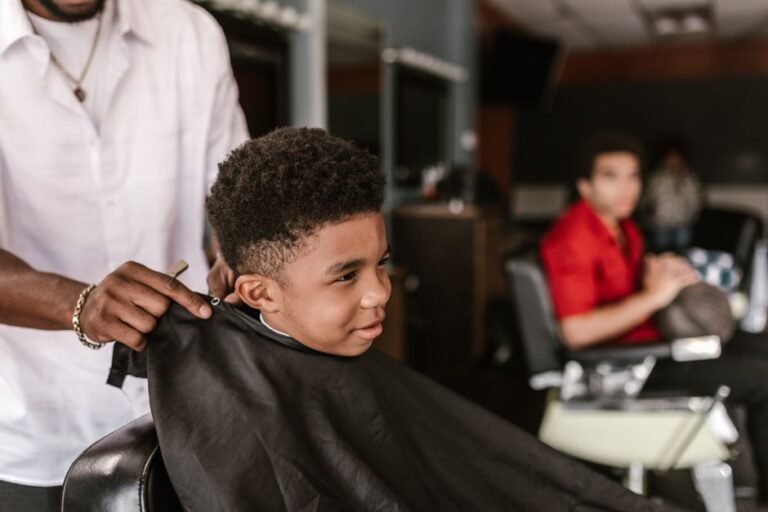
Small requests and preparation that make a haircut easier for a child with sensory sensitivities, from clippers to the cape.
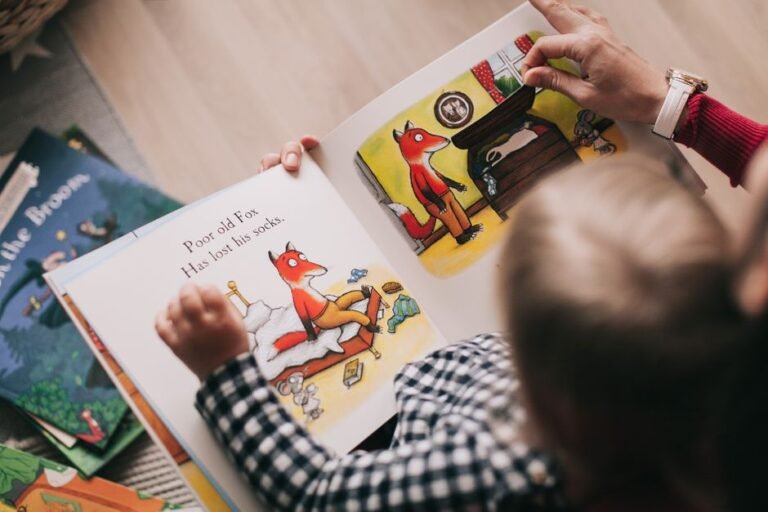
What to look for in books with autistic characters beyond simple representation, and how to tell a respectful story from a well-meant but harmful one.

How to scale a birthday party to what your autistic child enjoys, from guest list and timing to an easy way out.
Why some school sensory rooms sit empty, and the access, location, and planning choices that make one help autistic students.

The parts of a behavior intervention plan that make it useful for an autistic student, and what should never be in one.
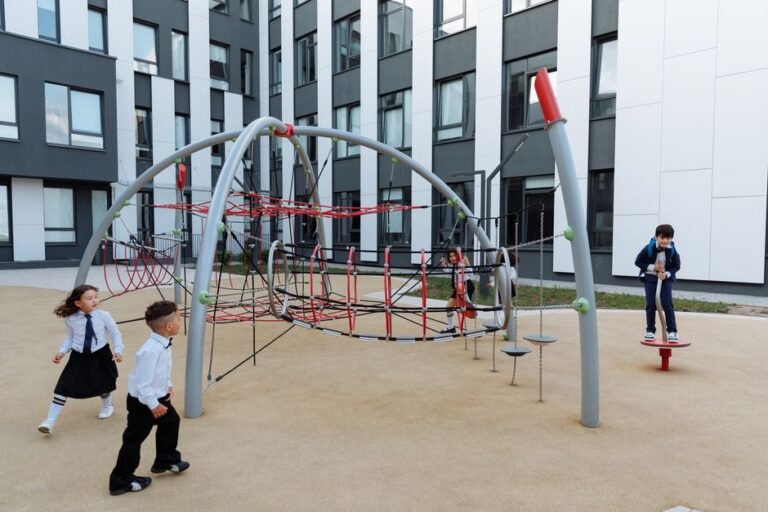
Recess and lunch can be the hardest part of the day for autistic students, and schools often miss simple ways to make unstructured time work.

Homework is more manageable for autistic students when it follows real rest, has clearly visible steps, and fits a predictable routine.

An educational advocate helps families read school documents, prepare for meetings, and press for services, and knowing when to bring one in matters.

Neither inclusion nor a specialized classroom is automatically right; the better choice depends on what each would look like for your child day to day.
Escalating too quickly and documenting too little are the two most common ways IEP disagreements go wrong, and both have practical fixes.
End of content
End of content