
What Makes a Sensory Room at School Genuinely Useful
A sensory room at school earns its place when students can reach it before they are overwhelmed, when it offers more than one kind of input, and when going there never feels like being sent out. The equipment matters far less than those three things.
Plenty of schools build a room, fill it with bubble tubes and beanbags, and then wonder why it sits empty, or why it has quietly become the place students are taken after something goes wrong. The choices that make the difference are mostly about access and planning, not furniture.
Access decides whether a sensory room at school gets used
If a student needs an adult to notice, decide, find a key, and walk them down the hall, help usually arrives too late. Useful rooms have a simple way in: a break card, an agreed signal, or scheduled visits built into the day for students who do better with regular input than with waiting until they are struggling.
Location matters too. A room at the far end of the building, reached by passing the cafeteria at lunchtime, can add more load than it takes away. Somewhere close to the classrooms that use it most, away from main corridors, tends to work better.
So does how the room is talked about. If it is used as a consequence, or students are walked there in front of classmates after a hard moment, it soon becomes somewhere to avoid. A student who links the room with trouble will not ask for it when they most need it, the same pattern families see with calm-down spaces at home.
What goes inside, and who plans it
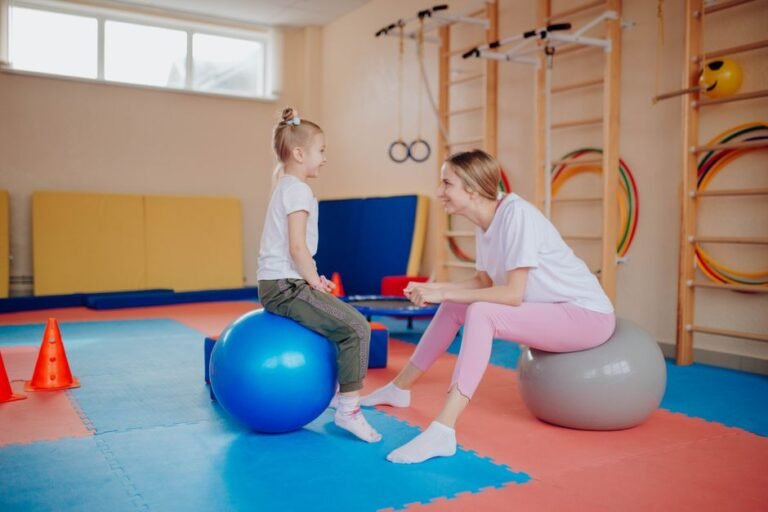
Sensory needs vary widely. Some students seek movement and pressure, like a swing, a crash pad, or a small trampoline. Others need low light, low sound, and nothing to do at all. A room with only one mode serves only some of the students who need it. Separate zones help, far enough apart that one student’s jumping does not undo another’s rest.
An occupational therapist is the right professional to shape what goes in the room and, ideally, how each student uses it: what to do there, roughly how long to stay, and how to tell when they are ready to go back. Without that planning, visits can drift into long stretches away from class that nobody has thought through.
It is worth asking whether visits are noted anywhere. If the same lesson keeps coming right before a visit, that points to something in the classroom worth changing, and it connects to the common sensory accommodation mistakes schools make. A room should never become the reason a classroom stays hard.
Returning to class deserves its own plan as well. A predictable way back, with the next task written down and no public questions about where they were, keeps the benefit from evaporating at the door.
If your child’s school has a room, one thing you can do this week is ask your child whether they have ever used it and how they got there. The answer will tell you more than a tour.
The NICE quality standard on autism treats adjusting the environment as part of everyday support. A good room is one adjustment among several. It is not a substitute for a classroom that works.