What Makes an Autism-Friendly Birthday Party Genuinely Enjoyable
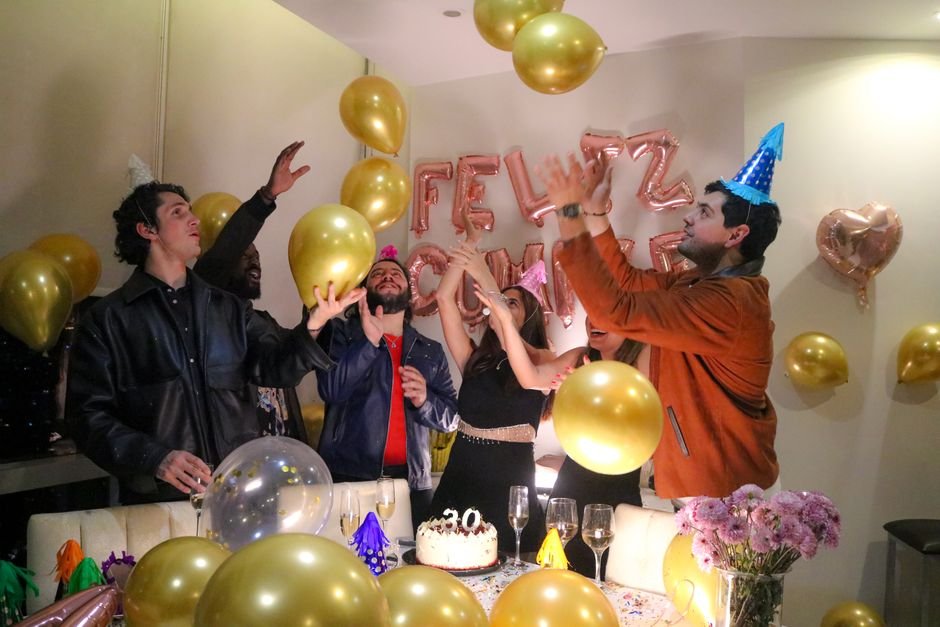
Plan the party your child would enjoy, not the one a guest list or a classmate’s party suggests. For many autistic kids that means fewer people, a shorter time, a familiar place, and one activity they love, and that version can feel like a far better day for everyone.
An autism-friendly birthday party is less about special equipment and more about scale. Here are the choices that tend to matter most.
Start with your child’s idea of a good day
Ask them, if they can tell you, or think back to the best afternoon they had recently. Was it one friend and a train set? A quiet hour at the park? Some children want a big group and do well with it. Others want two people and the cake. Both are real birthdays.
If your child has a strong interest, let it lead. A party built around dinosaurs, maps, or a favorite show gives them something familiar to hold onto, and often gives guests something to talk about with them.
Keep an autism-friendly birthday party small and short
Every extra guest adds noise, movement, and social demands. An hour and a half is plenty for most young children, and a clear end time printed on the invitation saves an awkward wind-down. Morning parties often go better than late afternoon, before the day’s sensory load has built up.
Make the plan visible
A simple picture schedule of the party, such as arrive, play, cake, presents, goodbye, helps your child know what comes next. Practise the parts that tend to surprise: everyone singing at once, candles, the attention of opening gifts. Some families skip the singing, sing quietly, or open presents later at home. None of that is cheating.
Build in a way out
Set up a quiet spot away from the main room, with headphones or a favorite object, and tell your child they can go there whenever they like without having to explain. Leaving the party for ten minutes is not failing at it. Our guide to planning a sensory-friendly family outing covers the same idea for trips out of the house.
Brief the other adults
A short note to parents who are staying can head off well-meant pressure: your child may not join every game, may not say thank you in the expected way, and may play alongside others rather than with them. The same approach works for bigger family events, as in our piece on getting ready for a family gathering.
One thing you can do today: write down three parts of a party your child would truly enjoy and three that would cost them the most. Plan around the first list and drop or shrink the second.
The American Academy of Pediatrics’ family life pages have wider ideas on celebrations and family routines. If big events regularly leave your child exhausted or distressed for days afterward, it is worth mentioning to an occupational therapist or your pediatrician.
A good birthday is one your child remembers fondly. The size of it is beside the point.