Building a Home-School Communication System That Works
A home-school communication system only works if it’s simple enough for a tired parent and teacher to actually keep using.


A home-school communication system only works if it’s simple enough for a tired parent and teacher to actually keep using.
A 504 plan and an IEP solve different problems at school, and knowing which one your child needs changes what you ask for.
Where school sensory accommodations tend to miss the mark, from one-size-fits-all tools to breaks scheduled around the wrong clock.

What to bring, what to ask, and why you don’t have to sign anything on the spot at your child’s first IEP meeting.

A plain-language walk-through of what has to be in an IEP, from goals and services to who sits on the team.

Small, reversible changes to seating, lighting, and transitions can make a classroom work for a sensory-sensitive student without a formal evaluation.
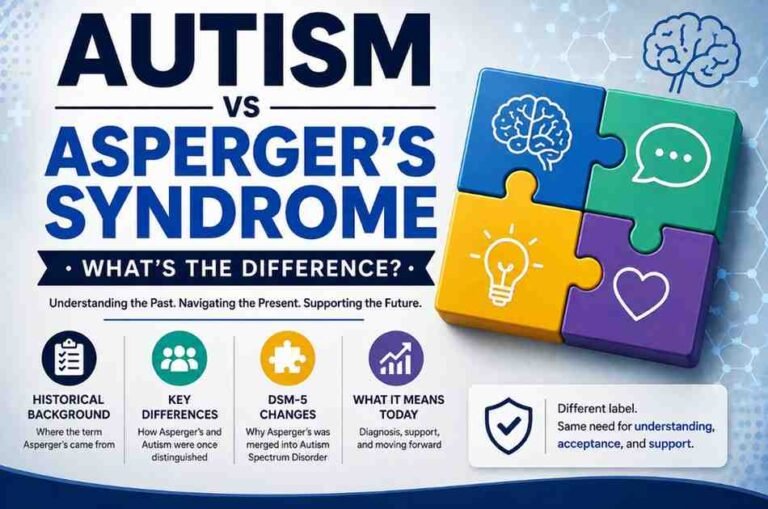
If you grew up hearing the term “Asperger’s” or received that diagnosis yourself, you’ve probably noticed something strange: doctors don’t use the word anymore. Ask a pediatrician or psychologist today about Asperger’s, and most will tell you it’s simply not a diagnosis they can give. That single fact confuses a lot of families searching for…

Anyone who has watched a dog spin in circles, avoid eye contact, or melt down over a loud noise has probably wondered whether that pet could be autistic. It’s a natural question, especially for people who live with autism themselves or care for someone who does. But can animals have autism in the same clinical…
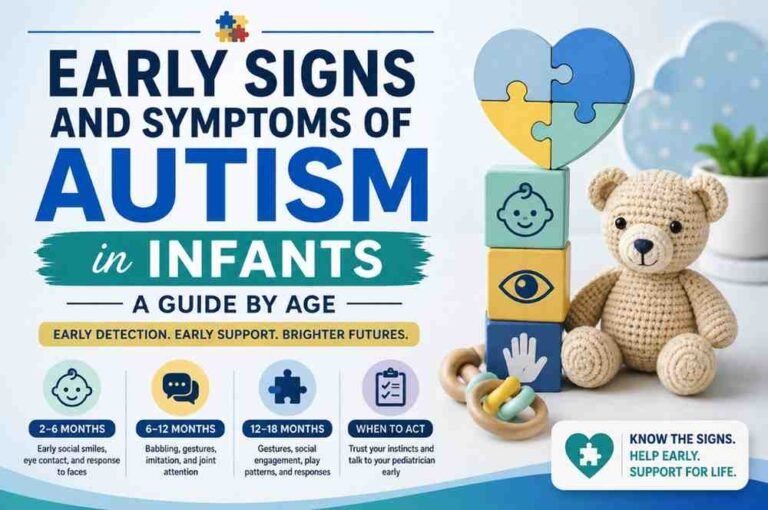
Most parents do not go looking for information on autism until something feels a little off. Maybe your baby does not turn toward their name the way a cousin’s baby did, or they seem uninterested in the back-and-forth games that other infants enjoy. Recognizing the early signs and symptoms of autism in infants is not…
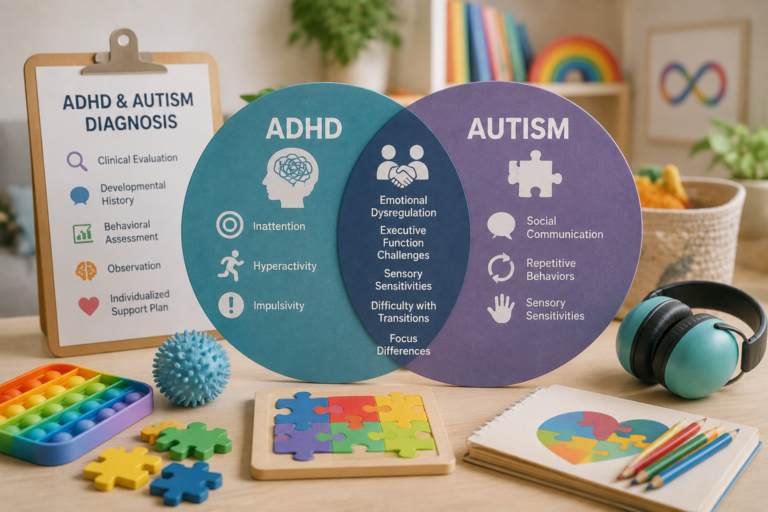
For years, clinicians were not permitted to diagnose ADHD and autism in the same person. If a child met criteria for autism spectrum disorder, any attention or impulsivity issues were usually folded into that diagnosis rather than assessed on their own. That changed with the DSM-5 in 2013, which removed the exclusion rule and allowed…
End of content
End of content