Making a Classroom Work for a Sensory-Sensitive Student
Small, reversible changes to seating, lighting, and transitions can make a classroom work for a sensory-sensitive student without a formal evaluation.


Small, reversible changes to seating, lighting, and transitions can make a classroom work for a sensory-sensitive student without a formal evaluation.
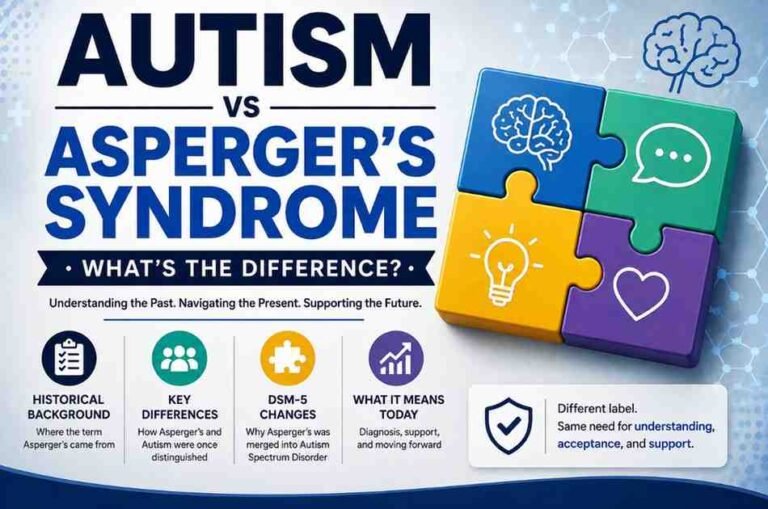
If you grew up hearing the term “Asperger’s” or received that diagnosis yourself, you’ve probably noticed something strange: doctors don’t use the word anymore. Ask a pediatrician or psychologist today about Asperger’s, and most will tell you it’s simply not a diagnosis they can give. That single fact confuses a lot of families searching for…
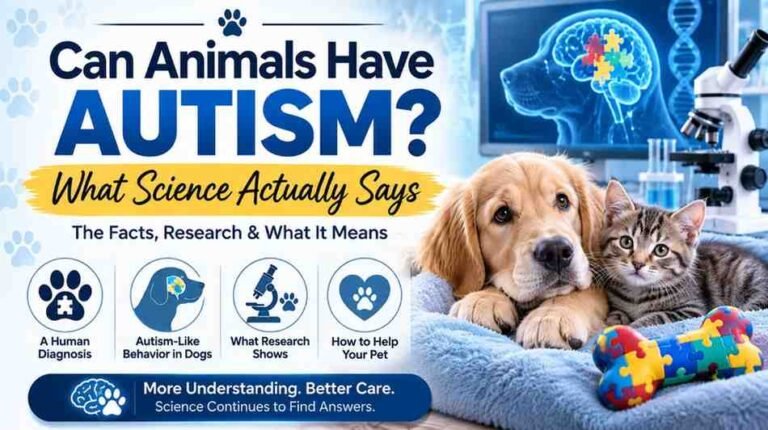
Anyone who has watched a dog spin in circles, avoid eye contact, or melt down over a loud noise has probably wondered whether that pet could be autistic. It’s a natural question, especially for people who live with autism themselves or care for someone who does. But can animals have autism in the same clinical…
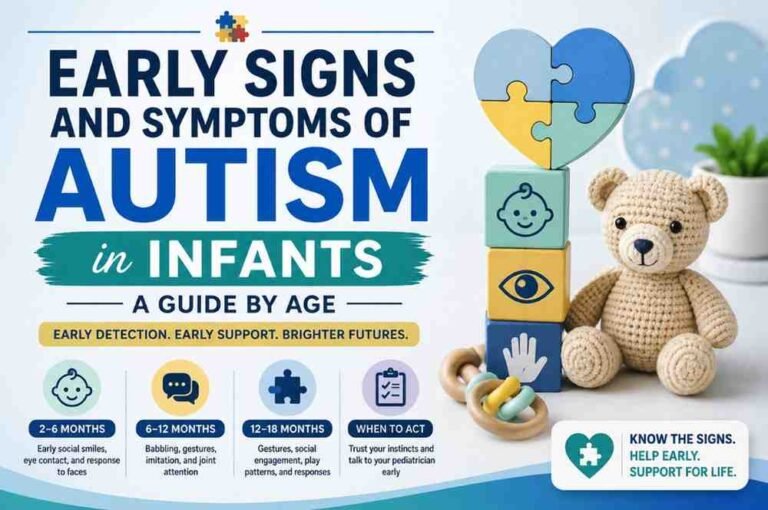
Most parents do not go looking for information on autism until something feels a little off. Maybe your baby does not turn toward their name the way a cousin’s baby did, or they seem uninterested in the back-and-forth games that other infants enjoy. Recognizing the early signs and symptoms of autism in infants is not…
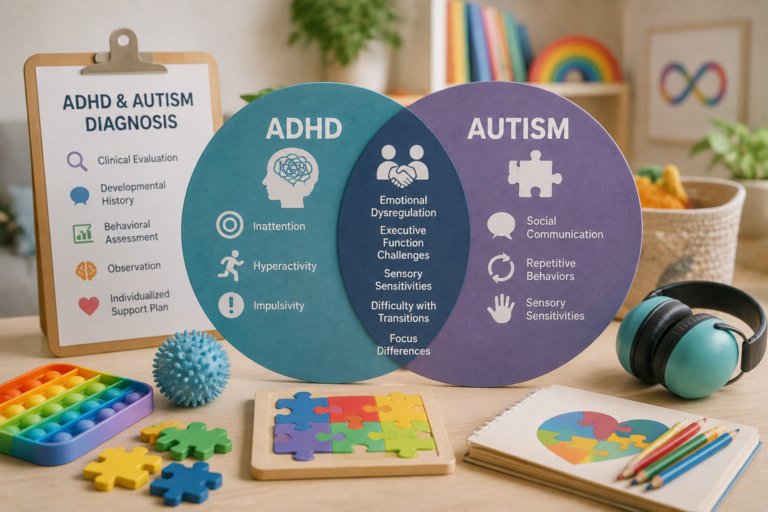
For years, clinicians were not permitted to diagnose ADHD and autism in the same person. If a child met criteria for autism spectrum disorder, any attention or impulsivity issues were usually folded into that diagnosis rather than assessed on their own. That changed with the DSM-5 in 2013, which removed the exclusion rule and allowed…
When a child receives a diagnosis of level 3 autism, most parents leave the appointment with more questions than answers. What does the label actually mean day-to-day? Will their child speak? Will they need help for the rest of their life? These are fair questions, and they deserve honest, evidence-based answers rather than vague reassurance….
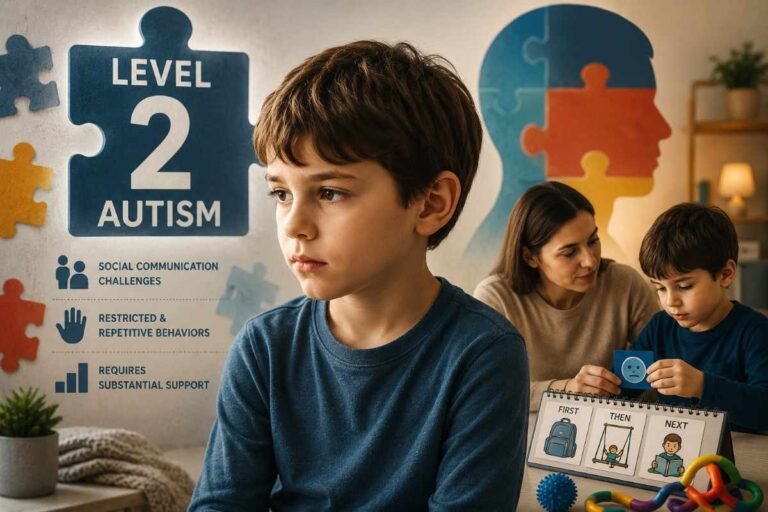
Level 2 autism is one of three severity levels defined in the DSM-5 for diagnosing autism spectrum disorder, and it describes individuals who require substantial support with social communication and who show more noticeable restricted or repetitive behaviors than those at level 1. If your child, a family member, or you yourself have recently received…
End of content
End of content