How to Choose Books With Autistic Characters That Respect Them
The best books with autistic characters treat the character as a whole person with their own wants, jokes, and point of view, not as a lesson for everyone else in the story. A useful first check is simply this: whose story is it?
A lot of children’s books about autism are written to explain an autistic child to their classmates or siblings. Some of those are kind and useful. But when the autistic character exists only so other characters can learn patience, the message a young autistic reader takes away can be that they are a problem to be understood rather than a person to know. Look for books where the autistic character narrates, drives the plot, or at least has an inner life the reader gets to see.
What to look for in books with autistic characters
Next, look at who wrote it. Books by autistic authors are not automatically better, and plenty of non-autistic writers handle this well, but autistic authors often get small details right that others miss: the relief of a special interest, how a crowded room actually feels, the effort of a conversation that seems effortless to everyone else. Many publishers and author websites now say whether a writer is autistic, and autistic-led reading lists are a good place to start.
Notice the language on the page. A book that calls a character “suffering” or describes autism as something the family is fighting is telling your child something about themselves. Respectful books tend to use language the autistic community uses, and our explainer on identity-first language covers why many autistic people prefer “autistic person.” Preferences vary, so this is a guide rather than a test.
Be wary of story arcs where the happy ending is the character becoming less autistic: making eye contact at last, giving up a stim, or finally fitting in by acting like everyone else. Those endings can land as instructions. Better stories end with the character being accepted, finding their people, or solving the problem in their own way. Look, too, for books that show autistic happiness, not only hard days, the kind of everyday autistic joy that rarely makes it into stories.
Variety matters as well. Autistic people differ widely, and a shelf where every autistic character is a quiet boy who loves trains misses most of them. Look for girls and non-binary characters, characters who use speech-generating devices or type to communicate, autistic adults, and autistic characters whose story is about something else entirely, like a mystery, a friendship, or a dragon.
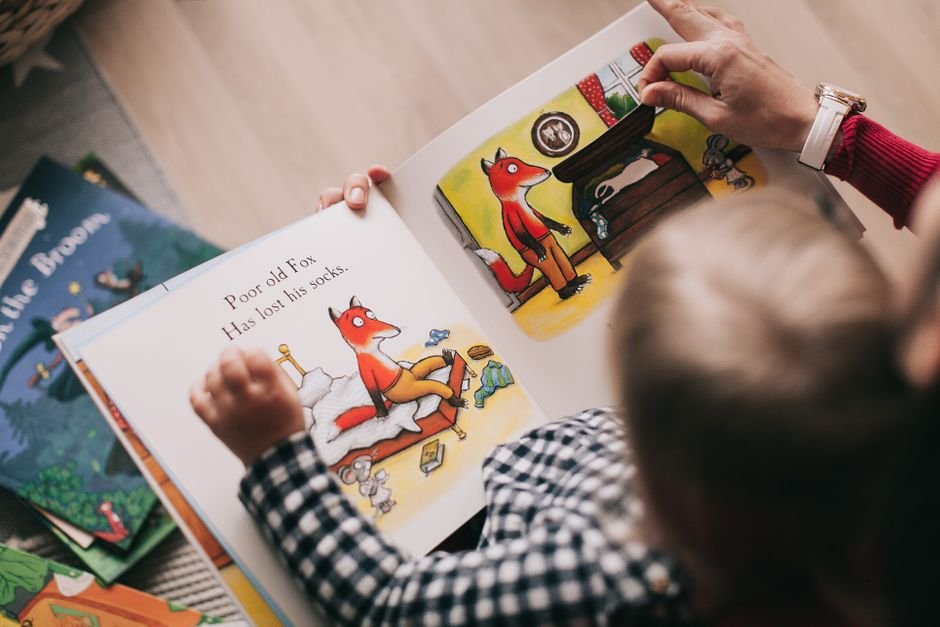
A small, concrete thing to try today: next time you are choosing a book, read the last two pages before you buy it. How a story ends tells you most of what it believes about the character.
If your child is old enough, let them have the final say. They are the best judge of whether a character feels like someone they know. The Autistic Self Advocacy Network’s resource library includes material written by autistic people that can help you think about representation, and a school librarian, teacher, or your child’s speech-language pathologist may have recommendations matched to their reading level.
A book does not have to be perfect. It does have to like the character it is about.