Common Mistakes Well-Meaning Adults Make Around Autistic Kids
The small, well-intentioned habits that undermine trust with autistic kids, and simple ways to adjust them.

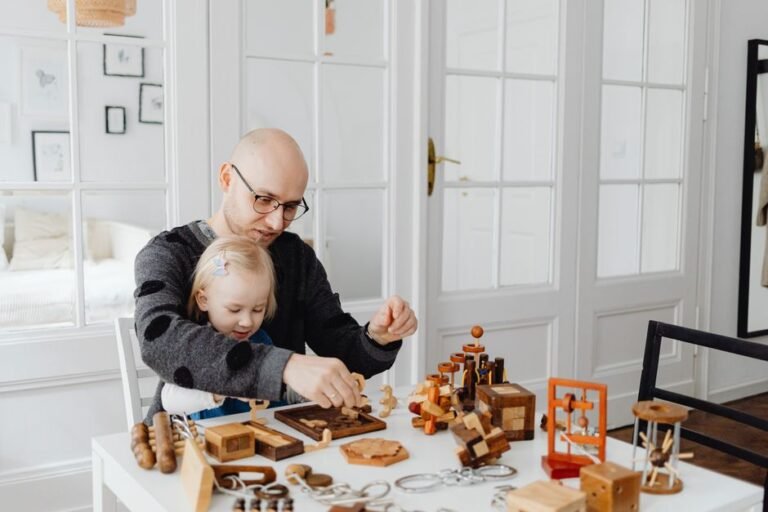
The small, well-intentioned habits that undermine trust with autistic kids, and simple ways to adjust them.
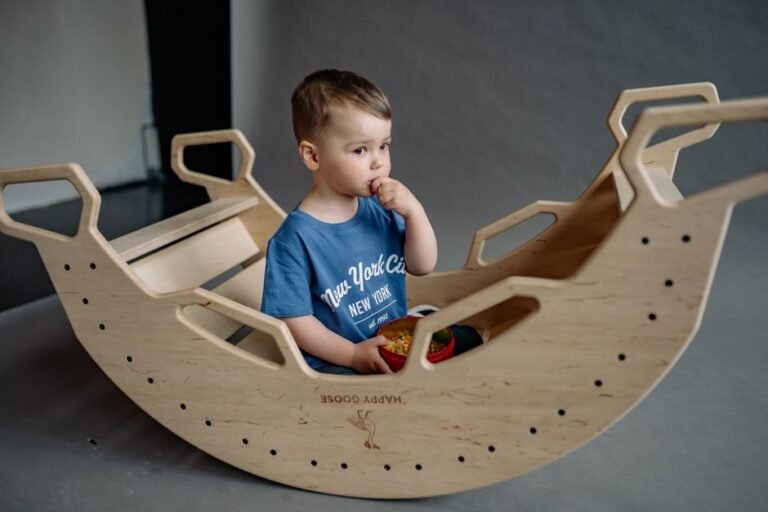
Stimming — hand-flapping, rocking, humming — helps regulate the nervous system, and suppressing it tends to remove the outlet without removing the need.

Sensory processing differences show up in ordinary moments — a shirt tag, a grocery store, a car ride — not only during a meltdown.

Identity-first language — “autistic person” over “person with autism” — reflects how many autistic self-advocates describe their own experience.
An autism assessment is a series of structured observations and conversations, not a single pass-or-fail test — here’s what actually happens in the room.

When writing an essay, a medical report, or an article about neurodiversity, a very specific editorial question frequently arises: is autism spectrum disorder capitalized? If you are looking for the strict, grammatical answer based on traditional style guides, the answer is no. However, language surrounding neurodivergence is rapidly evolving. The intersection of medical terminology and…

When parents first receive an autism diagnosis for their child, their immediate instinct is often to figure out what they need to do. They research therapies, implement schedules, and look for strategies to help their child navigate the world. But in the rush to find solutions, an equally important question is often overlooked: what not to…

Figuring out how to tell if you have autism as an adult is rarely a sudden realization. For many, it is the culmination of a lifelong feeling of being slightly out of sync with the rest of the world. It is a quiet, persistent sense that everyone else was handed a social instruction manual that…

When a child refuses to eat anything but five specific foods, or when a teenager gags at the sight of a new texture on their plate, it is tempting to call it a phase, a food preference, or stubbornness. For many autistic children and adults, however, the reality is considerably more complex. The eating difficulties…

For decades, the public image of autism was almost exclusively male. The research was largely conducted on boys. The diagnostic criteria were shaped by what clinicians observed in boys. The teachers, parents, and doctors who learned to recognize autism learned to recognize it in the way it typically presents in boys. Girls and women were…
End of content
End of content