high functioning autism in women
For decades, the public image of autism was almost exclusively male. The research was largely conducted on boys. The diagnostic criteria were shaped by what clinicians observed in boys. The teachers, parents, and doctors who learned to recognize autism learned to recognize it in the way it typically presents in boys. Girls and women were simply not part of that picture in any meaningful way, and the consequences of that absence have been significant.
High functioning autism in women is now understood to be genuinely different in presentation from the presentations that shaped early diagnostic thinking. Women are not less autistic. Their autistic brains are not less affected by the neurodevelopmental differences that define the condition. What differs is how those differences manifest in observable behavior, and why that difference makes them so much harder for clinicians to spot.
Understanding this is not a niche concern. Research involving over 2.7 million people has found that while boys are diagnosed more frequently in early childhood, the diagnostic gender gap narrows dramatically by adulthood. By age twenty, diagnosis rates for men and women approach a roughly equal ratio. This pattern strongly suggests that a substantial number of autistic women are not being identified in childhood. They are being identified later, often much later, and frequently only after years of chasing explanations for symptoms that are the visible consequences of unrecognized autism rather than the autism itself.
Why the Autism Diagnostic Lens Was Built for Men
When researchers and clinicians first began studying and classifying autism in the mid-twentieth century, their study populations were predominantly male. The behavioral patterns they observed, the language they developed to describe those patterns, and the assessment tools they built to identify them were all calibrated against a male baseline.
The classic presentation that emerged from this research emphasized specific types of restricted interests, often mechanical or systemizing in nature, visible repetitive motor behaviors such as hand-flapping or rocking, and obvious social withdrawal or apparent indifference to social connection. These traits were real and valid observations. They were also, as later research would reveal, more characteristic of how autism presents in males.
Girls and women on the autism spectrum were present throughout this period. They were simply being filtered out by assessment criteria that did not account for how their autistic traits manifested, which was often in ways that were either less visible or more socially legible.
What High Functioning Autism Actually Looks Like in Women
Describing autism in women requires a clear acknowledgment that the population is not uniform. The spectrum is broad, presentations vary, and no single list of traits applies universally. With that context established, research on the female autism phenotype has consistently identified several patterns that differ meaningfully from the conventional clinical picture.
Masking and Camouflaging
The single most significant and consequential difference in how high functioning autism presents in women is the phenomenon of masking, which researchers also call camouflaging. This refers to the deliberate or unconscious suppression of autistic traits and adoption of neurotypical social behaviors in order to fit in.
Masking can involve scripting conversations in advance, watching and consciously imitating how other people laugh, make eye contact, or position their bodies in social situations, forcing oneself to make eye contact even when it feels uncomfortable, and carefully monitoring one’s own behavior throughout social interactions to catch and correct anything that might seem unusual.
Autistic girls typically begin developing these strategies early in childhood, often before anyone around them recognizes that they are doing it. By the time they reach adolescence and adulthood, the mask has often become so sophisticated and so deeply practiced that it is extremely difficult to detect in a standard clinical assessment. The woman sitting in front of a clinician for an initial appointment may present as socially fluent, articulate, and engaged, while internally managing an exhausting real-time performance.
This is not deception. It is a survival strategy developed in response to the social cost of being different.
Special Interests That Do Not Look Like Stereotypical Autism
Intense, focused special interests are characteristic of autism across the spectrum and across genders. In women, however, the subject matter of those interests often differs from the technical, systematizing interests stereotypically associated with autism.
Autistic women may develop deep, absorbing interest in animals, particular fictional universes, psychology, music, historical periods, art, or social dynamics. These interests have the same depth, intensity, and consuming quality as any autistic special interest. They can represent extraordinary levels of accumulated knowledge. But because they are topics that many non-autistic people also enjoy, and because the interest in, say, feline behavior or a specific fantasy novel series reads as socially normal, clinicians and family members may not register them as the diagnostic signal they represent.
Social Motivation and the Relationship Paradox
A pattern frequently described in autistic women is what might be called the relationship paradox. Unlike the stereotypical picture of an autistic person who is indifferent to social connection, many autistic women have a strong, genuine desire for friendships and close relationships. They observe social dynamics closely, want to participate, and work very hard to do so.
The paradox is that this strong social motivation exists alongside genuine difficulty with the unspoken rules, subtle nonverbal cues, and rapid contextual adjustments that neurotypical social interaction requires. The result is someone who deeply wants social connection but finds the work of achieving and maintaining it profoundly draining. Social interactions that appear effortless from outside require concentrated effort from within. After a social event that seemed to go well, many autistic women describe a period of exhaustion so complete that they need days of relative isolation to recover.
Internalized Stimming and Regulation Behaviors
Stimming, the self-stimulatory behaviors that serve a regulatory function in autistic individuals, tends to be more internalized and subtle in women than in men. Rather than the highly visible hand-flapping or full-body rocking that many people associate with autism, autistic women more commonly engage in stimming that either goes unnoticed or is perceived as ordinary habit.
This might include twirling hair, picking at skin, rubbing fingers together, chewing on lip or cheeks, humming, or a rigid but subtle leg movement while seated. None of these are unusual enough to attract clinical attention on their own. In aggregate and in context, they are meaningful behavioral signals, but only to a clinician who knows to look for them.
The Misdiagnosis Problem
Before receiving an autism diagnosis, many autistic women receive other diagnoses first. This is one of the most documented and consequential aspects of the experience of high functioning autism in women. The conditions most commonly attributed to autistic women before their autism is recognized include anxiety disorder, depression, borderline personality disorder, eating disorders, and ADHD.
Some of these co-occur genuinely with autism. Autistic women do experience significantly elevated rates of anxiety and depression, and these conditions are real and deserve treatment. But when anxiety or depression is treated in isolation without recognizing the autism driving them, the underlying cause remains unaddressed. The woman may improve temporarily or partially and then relapse, cycle through multiple medication trials, and spend years in therapy without ever gaining a framework that makes sense of her whole experience.
Borderline personality disorder in particular is a diagnosis that autistic women disproportionately receive before their autism is identified. Research suggests that some of the traits used to diagnose BPD, including emotional intensity, fear of abandonment, identity disturbance, and interpersonal difficulties, overlap with how autistic traits manifest in women under stress, particularly the strain of long-term masking.
Similarly, the diagnostic complexity expands when ADHD is also present, which it frequently is. Understanding how ADHD and related processing challenges intersect with autism is important for clinicians and families navigating a presentation that does not fit neatly into a single diagnostic box.
The Hidden Cost of Masking: Autistic Burnout
The long-term consequence of sustained masking is well-documented and carries a clinical name: autistic burnout. This is not ordinary fatigue or the tiredness that follows a busy week. It is a profound and often prolonged shutdown that can last months or longer.
Autistic burnout typically involves a loss of previously manageable skills, including the ability to manage daily tasks like cooking, maintaining personal hygiene, or going to work. Sensory sensitivities that were previously tolerable become overwhelming. Emotional regulation deteriorates. Social functioning, which required effort to maintain even before burnout, may become nearly impossible.
The research literature on autistic burnout in women is consistent in identifying sustained masking as the primary driver. The cognitive and emotional resources required to continuously monitor and suppress autistic traits while simultaneously performing neurotypical behavior are finite. When those resources are exhausted, the system shuts down.
Recovery from autistic burnout requires more than rest. It requires reducing the environmental demands that caused the burnout, creating space for authentic autistic expression rather than continued performance, and often significant adjustment to daily life expectations. For women who receive a late autism diagnosis during or shortly after burnout, the recognition of why this is happening is often described as simultaneously devastating and profoundly clarifying.

Late Diagnosis in Adulthood: What It Means and Why It Matters
A growing number of women are receiving their first autism diagnosis in their thirties, forties, and fifties. In some cases, the diagnostic prompt is a child who is assessed and diagnosed, prompting a parent to recognize the same traits in herself. In others, it is the accumulated exhaustion of masking finally producing a breakdown significant enough to bring someone into clinical contact with a professional who is looking beyond the surface.
Late diagnosis is commonly described as a mixed experience. It brings relief and validation, a framework that explains decades of confusion, exhaustion, social difficulty, and the persistent sense of being fundamentally different from other people without being able to articulate why. It also brings grief, for the years spent without the understanding and accommodations that might have changed things, and sometimes anger at the systems that failed to identify the condition earlier.
What is clear from the research and from the lived experience of late-diagnosed autistic women is that a diagnosis at any age is genuinely valuable. It enables access to appropriate support, changes how a woman understands and interprets her own history, and often allows her to begin letting go of the belief that she is fundamentally broken or insufficient. The diagnosis is not a label; it is a map.
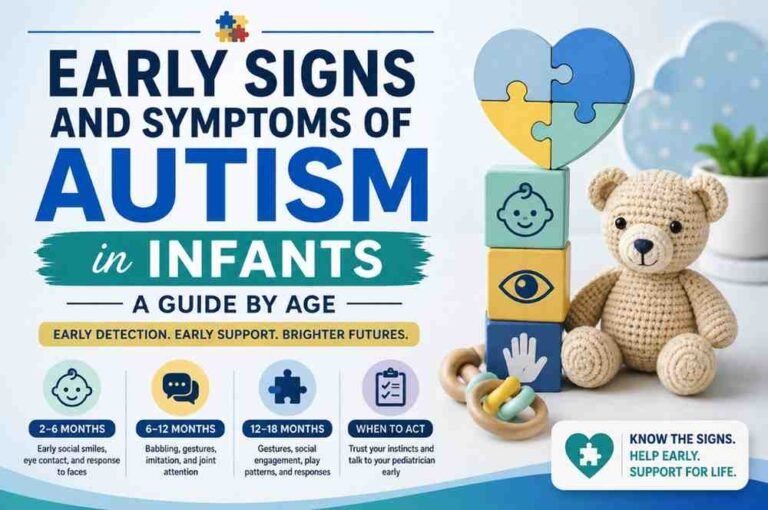
Understanding autism in its earliest manifestations can also provide retrospective context. Exploring what early developmental signs look like from infancy onward helps late-diagnosed women trace the thread of their experience back to its roots and understand that their differences were always real, always present, and always neurodevelopmental rather than personal failures.
What Actually Helps: Support for Autistic Women
Support for high functioning autism in women needs to be shaped by understanding what is actually happening, not by applying a one-size-fits-all autism support template that was designed around a different population.
Accurate Assessment
The diagnostic assessment process itself needs to be conducted by a clinician familiar with the female autism phenotype. This means someone who understands masking, knows to look beyond the surface presentation, takes a thorough developmental history, and does not dismiss autistic traits simply because the woman appears socially capable in the consultation room. The Autism Research Centre at Cambridge University has conducted substantial work on female autism presentations and provides resources for both clinicians and individuals.
Permission to Unmask
One of the most important and underappreciated aspects of support for autistic women is creating contexts in which unmasking is safe. This means therapy environments that are neurodiversity-affirming rather than oriented toward normalization, relationships that tolerate authentic autistic expression rather than demanding continued performance, and an internal shift in the woman herself toward accepting rather than suppressing her autistic identity.
Addressing Co-Occurring Conditions Appropriately
Anxiety and depression in autistic women often require treatment approaches that differ from standard protocols. Addressing the sensory and environmental drivers of anxiety, understanding how masking contributes to depressive episodes, and recognizing autistic burnout as distinct from clinical depression are all part of providing care that actually helps rather than partially addresses the surface while the underlying condition goes unrecognized.
Community and Connection
Many autistic women describe finding other autistic women as transformative. The recognition of shared experience, the ability to communicate without the performance demands of neurotypical social interaction, and the collective validation of an identity that has often been invisible or denied are genuinely therapeutic. Online communities, in-person support groups, and the broader autistic community that participates in events like World Autism Month have all provided meaningful connection for women who previously felt profoundly isolated in their experience.
FAQ: High Functioning Autism in Women
What are the most common signs of high functioning autism in women that are often missed?
The most commonly missed signs include intense social exhaustion after interactions that appeared to go smoothly, a strong desire for social connection paired with genuine difficulty navigating unspoken social rules, scripting conversations in advance, internalized stimming behaviors such as skin picking or hair twirling, and deep special interests in topics that appear socially conventional. These signs are missed because they are either invisible or interpreted as normal personality traits rather than autism indicators.
Why are so many autistic women not diagnosed until adulthood?
The primary reasons are diagnostic criteria built around male presentations, the development of sophisticated masking strategies that conceal autistic traits in social settings, the tendency to receive alternative diagnoses such as anxiety, depression, or BPD before autism is considered, and insufficient training among clinicians in the female autism phenotype. Research shows that while boys are diagnosed much more frequently in childhood, by adulthood the gender ratio approaches 1:1, strongly suggesting widespread late identification in women.
Is autistic burnout different from regular burnout or depression?
Yes, substantially. Autistic burnout is caused specifically by the long-term cumulative cost of masking and managing a neurological mismatch between internal needs and external demands. It involves loss of previously manageable skills, marked increase in sensory sensitivity, and social withdrawal that goes well beyond what regular fatigue or clinical depression produces. It requires a different kind of recovery, focused on reducing demands and creating space for authentic autistic expression rather than standard depression treatments alone.
Can a woman be autistic if she appears socially capable?
Absolutely. Social capability and autism are not mutually exclusive. Many autistic women develop considerable social fluency through sustained effort, observation, and the continuous application of learned social scripts. Appearing socially capable in most contexts is often the direct result of years of intensive masking work rather than evidence of the absence of autism. The cost of that apparent capability is borne internally and is often what drives the burnout and mental health difficulties that eventually bring autistic women into clinical contact.
What should I look for in a clinician for autism assessment as a woman?
Look for a clinician who explicitly acknowledges the female autism phenotype and its differences from conventional presentations. They should take a thorough developmental history rather than relying solely on the assessment appointment, be familiar with how masking can conceal autistic traits, and hold a neurodiversity-affirming framework rather than an orientation toward pathology or cure. Be cautious of any assessor who dismisses the possibility of autism because you maintain eye contact, hold a job, or seem socially engaged during the appointment.
Conclusion
High functioning autism in women is real, it is common, and it has been significantly underrecognized for most of the history of autism research and clinical practice. The differences in how autism presents in women are not subtle variations on the standard picture. They are systematic differences in how autistic traits manifest, interact with social expectations, and develop into the sophisticated survival strategies that allow autistic women to function while carrying a weight that their neurotypical peers do not.
Getting this right matters enormously. A woman who receives an accurate autism diagnosis, even decades after childhood, gains something that cannot be measured in developmental milestones or behavioral checklists. She gains a coherent understanding of herself, access to support that is actually designed for her needs, and permission to stop performing a version of herself that was never quite real. That is not a small thing.