is autism spectrum disorder capitalized
When writing an essay, a medical report, or an article about neurodiversity, a very specific editorial question frequently arises: is autism spectrum disorder capitalized?
If you are looking for the strict, grammatical answer based on traditional style guides, the answer is no. However, language surrounding neurodivergence is rapidly evolving. The intersection of medical terminology and cultural identity means that the “correct” way to write about autism is no longer dictated solely by grammar books. It is also shaped by how autistic people choose to identify themselves.
Understanding whether to capitalize autism spectrum disorder requires looking at the rules of standard English grammar, the mandates of major style guides like AP and APA, and the emerging cultural shift toward identity-first language.
The Grammatical Rule: Why It Is Usually Lowercase
In standard English grammar, diseases, disorders, and medical conditions are treated as common nouns. Just like you would not capitalize diabetes, cancer, or asthma, you do not capitalize autism spectrum disorder.
When writing a sentence about the condition generally, it should be kept in lowercase:
- Correct: The doctor specialized in diagnosing autism spectrum disorder.
- Incorrect: The doctor specialized in diagnosing Autism Spectrum Disorder.
Exceptions to the Rule
There are three main scenarios where capitalization is required under standard grammar rules:
- At the Beginning of a Sentence: Like any common noun, if it is the first word in a sentence, the first letter is capitalized.
- Example: Autism spectrum disorder affects how a person processes sensory input.
- When Using Acronyms: While the full term is lowercase, the abbreviation is always capitalized as ASD.
- When a Proper Noun is Included: If a condition is named after a specific person (an eponym), the person’s name is capitalized, but the word “syndrome” or “disease” remains lowercase. For example, Asperger’s syndrome is capitalized because it is named after Hans Asperger. (It is worth noting that Asperger’s is no longer used as an official diagnostic category in the DSM-5, having been folded into the broader autism spectrum disorder diagnosis, but the grammatical rule still applies when discussing it historically).
What the Major Style Guides Say
If you are writing professionally, for school, or for a publication, you are likely bound by a specific style guide. The two most common guides in the United States are unequivocally aligned on this issue.

AP Style (Journalism)
The Associated Press (AP) Stylebook is the gold standard for journalism, news writing, and general web content. The AP Stylebook strictly advises keeping the names of diseases and disorders lowercase. Therefore, in AP style, autism spectrum disorder is not capitalized.
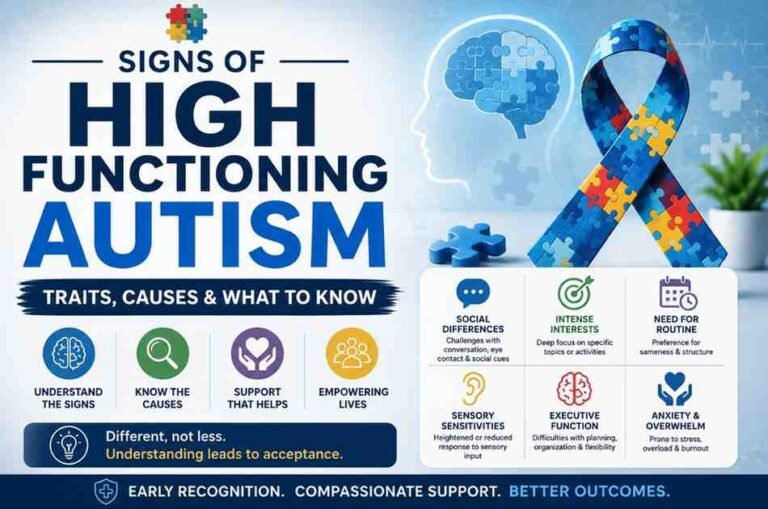
AP style also recently updated its guidelines to address the changing vocabulary around autism. It advises journalists to avoid terms like “high-functioning” or “low-functioning,” which the autistic community largely views as inaccurate and stigmatizing. Instead, writers are encouraged to describe a person’s specific support needs if that information is relevant to the story.
APA Style (Academic and Medical)
The American Psychological Association (APA) style is used primarily in academic, scientific, and psychological writing. The APA style guidelines mirror the AP rules: medical conditions and disorders are written in lowercase.
If you are writing a university essay or a clinical report regarding an  adhd and autism diagnosis, both terms should remain lowercase in the body of your text (e.g., attention-deficit/hyperactivity disorder and autism spectrum disorder).
The Cultural Shift: Why Some People Capitalize “Autism”
While the grammatical rules are clear, language is not rigid. In recent years, a significant shift has occurred within the autistic community regarding how they refer to themselves, leading to a deliberate choice by many to capitalize the words Autism and Autistic.
Identity-First Language and the Capital “A”
To understand this capitalization choice, you have to understand the difference between person-first and identity-first language.
Historically, the medical community pushed “person-first language” (e.g., a person with autism). The intent was to emphasize the person’s humanity before their condition. However, a large and vocal majority of the autistic community strongly prefers “identity-first language” (e.g., an autistic person).
The reasoning is that autism is not a disease that is attached to them, like a virus, or an accessory they carry in a backpack. It is a fundamental neurological reality that shapes how they experience the entire world. It cannot be separated from who they are.
By capitalizing Autistic or Autism, advocates are elevating the term from a medical deficit to a cultural identity. This practice mirrors the Deaf community’s long-standing use of a capital “D” to distinguish Deaf culture from the medical condition of hearing loss. When an advocate capitalizes the term, they are signaling pride, community, and a rejection of the idea that their neurotype is merely a disorder to be cured.
For parents learning how to tell if you have autism or trying to navigate a new diagnosis, understanding this cultural capitalization can provide a much more empowering framework than clinical literature alone.
Navigating Neurodiversity Terminology
The vocabulary surrounding autism has expanded rapidly, and knowing how to capitalize these newer terms can be confusing.
The word neurodiversity refers to the natural biological variation of human brains. It is a concept, not a diagnosis. Therefore, neurodiversity is a common noun and should not be capitalized.
Similarly, the words neurodivergent (having a brain that functions differently from the societal norm) and neurotypical (having a brain that aligns with the societal norm) are common adjectives. They should remain lowercase in all standard writing.
It is also important to use these terms correctly. A single person cannot be “neurodiverse”—diversity requires a group. A single person is neurodivergent. If you are exploring the myth that is everyone on the spectrum, understanding the precise meaning of neurodiversity helps clarify why that phrase is both inaccurate and invalidating.
When Should You Break the Rules?
If you are writing for a mainstream publication, a university, or a medical journal, you should adhere to the AP or APA style rules and keep autism spectrum disorder lowercase.
However, if you are writing a personal blog, creating advocacy materials, or writing for a neurodiversity-affirming organization, you may choose to capitalize Autistic to show solidarity with the community’s identity-first preferences. Furthermore, if you are directly quoting someone who intentionally capitalizes the word to reflect their identity, standard journalistic practice dictates that you preserve their capitalization within the quotation marks.
The Broader Context of Language
The words we use to describe neurodivergence matter deeply. Whether discussing the complex sensory challenges of ARFID and autism or researching ways to build focus for an autistic child to study, the terminology frames the approach. Lowercase clinical terms ground the discussion in medical reality, while capitalized identity terms ground it in human experience.
When you write about any Different type of autism presentation, your primary goal should be clarity and respect. For those looking for further academic guidelines on medical formatting and language evolution, style resources and peer-reviewed style guides can be easily searched via Google.
FAQ: Capitalizing Autism and Neurodiversity Terms
Why isn’t autism spectrum disorder capitalized in medical journals?
Medical journals typically follow APA style or the AMA (American Medical Association) Manual of Style. These guides treat all diseases, disorders, and clinical conditions as common nouns, requiring them to be written in lowercase unless they contain a proper noun or begin a sentence.
Should I capitalize the acronym ASD?
Yes. While the full phrase autism spectrum disorder is lowercase, the acronym ASD should always be capitalized. This is a standard grammatical rule for acronyms and initialisms in the English language.
Why do some people capitalize the word Autistic?
Many individuals within the neurodivergent community capitalize Autistic to emphasize that it is a cultural identity, a community, and an integral part of who they are, rather than merely a medical condition. It is similar to how the word Deaf is capitalized when referring to Deaf culture.
Do you capitalize neurodivergent or neurodiversity?
No. In standard grammar and according to major style guides like AP and APA, neurodivergent, neurodiversity, and neurotypical are treated as common nouns or adjectives and should remain lowercase unless they appear at the beginning of a sentence.
Is Asperger’s syndrome capitalized?
Yes, the “A” in Asperger’s is capitalized because it is derived from a proper noun (the name of the pediatrician Hans Asperger). However, the word “syndrome” remains lowercase. Note that Asperger’s is no longer an official diagnosis in the DSM-5, but the grammatical rule still applies when using the term.
Conclusion
So, is autism spectrum disorder capitalized? According to the strictest rules of grammar, AP style, and APA style, the answer is no. It is a common noun and should remain lowercase, just like any other medical disorder.
However, language is a living reflection of culture. The choice by many advocates to capitalize the “A” in Autistic represents a powerful shift away from pathology and toward pride. If you are writing professionally, stick to the style guide required by your publisher or professor. But if you are writing personally, understand that capitalizing the word is a valid and deeply meaningful choice that honors the lived experience of the autistic community.