
Common Mistakes People Make Assuming Autistic People Don’t Want Friends
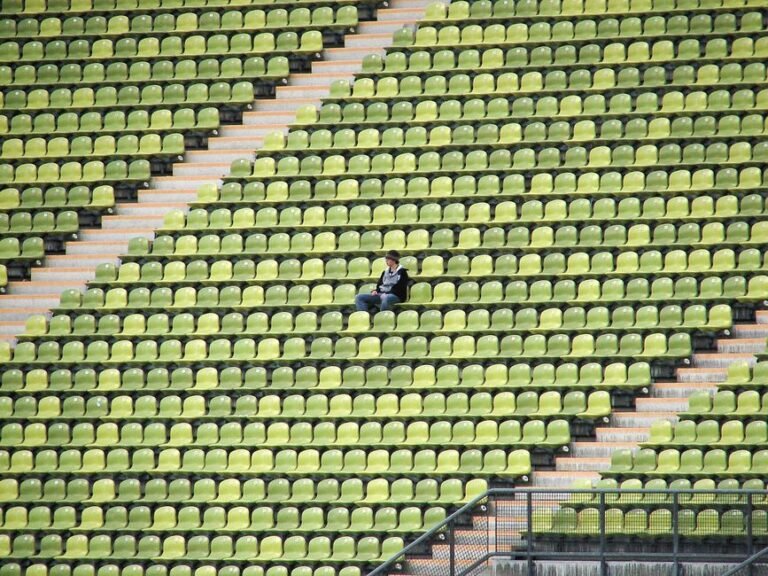
“She just prefers to be alone” is one of the most common things said about autistic kids and adults who are, in reality, lonely and would like company — just not company that requires performing a version of themselves that doesn’t fit. Wanting connection and finding it easy to get are two separate things, and mixing them up leads to some avoidable mistakes.
Mistake: treating parallel activity as disinterest
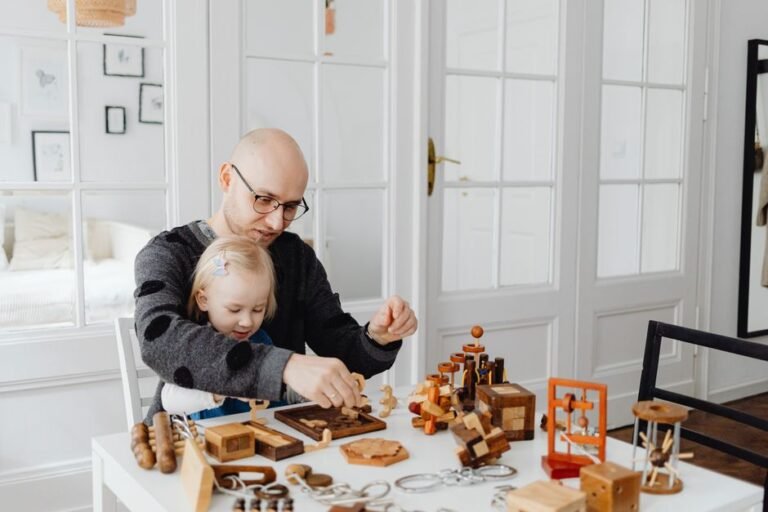
Two autistic people sitting side by side, each absorbed in their own screen or project and barely speaking, can look like they’d rather be apart. Often it’s the opposite — comfortable, low-demand shared presence, sometimes called parallel play in children but just as real between adults. Assuming quiet time together means someone doesn’t want friendship overlooks one of the more common ways autistic people enjoy company.
Mistake: reading fewer friends as fewer social needs
Autistic people often describe wanting a small number of deep, reliable friendships rather than a wide social circle, and that preference gets misread as low social need altogether. Communication style differences mean an autistic person might build connection through shared interests and direct conversation rather than small talk, which doesn’t make the friendship less real — just structured differently than what’s expected.
Mistake: assuming a flat affect means disengagement
Facial expression and tone of voice don’t always track internal experience the same way for autistic people as they do for non-autistic people, which means an autistic friend can be genuinely enjoying a conversation while looking, to an outside observer, bored or unmoved. The double empathy problem cuts both ways — it’s not only autistic people misreading neurotypical cues, it’s neurotypical people misreading autistic ones just as often.
Mistake: assuming a quiet exit means a friendship failed
Autistic people sometimes leave a gathering early or end a call abruptly not because the interaction went badly, but because they’ve reached the edge of their social capacity for that moment. Reading an early exit as rejection, rather than as a predictable limit that has nothing to do with how much the friendship is valued, causes a lot of unnecessary hurt on both sides. A friend who leaves after twenty minutes and texts the next day to make plans again is not sending a mixed signal — that is often just what the friendship looks like.
What helps friendships form
Shared-interest spaces — a club, an online community built around a specific topic, structured activities rather than open-ended socializing — tend to work better than settings that rely on reading unspoken social rules. Direct communication also helps enormously: an autistic person told plainly “I’d like to hang out again” doesn’t have to guess whether an invitation was sincere or just polite.
For a child who seems isolated at school, it’s worth asking the child directly whether they’re lonely rather than assuming from the outside — the answer is sometimes yes and sometimes a relieved no. A school counselor or psychologist can help figure out whether a lack of visible friendships reflects genuine distress or simply a quieter way of being social that doesn’t need fixing.
Friendship for autistic people isn’t rarer. It just doesn’t always look the way it’s expected to from the outside, and assuming otherwise is how real friendships get missed.
The American Academy of Pediatrics encourages caregivers to support social connection on an autistic child’s own terms rather than pushing a specific style of friendship as the only valid one.