How to Choose Sensory-Friendly Clothing Without the Guesswork
“Sensory-friendly” on a clothing tag doesn’t tell you much on its own. It’s not a regulated term, and what counts as sensory-friendly varies enormously from one kid to the next — some want everything loose, some want compression, some can’t tolerate a single seam across the toes. Buying by label instead of by feature is why so many sensory-friendly purchases end up unworn in a drawer.
What to check instead of the label
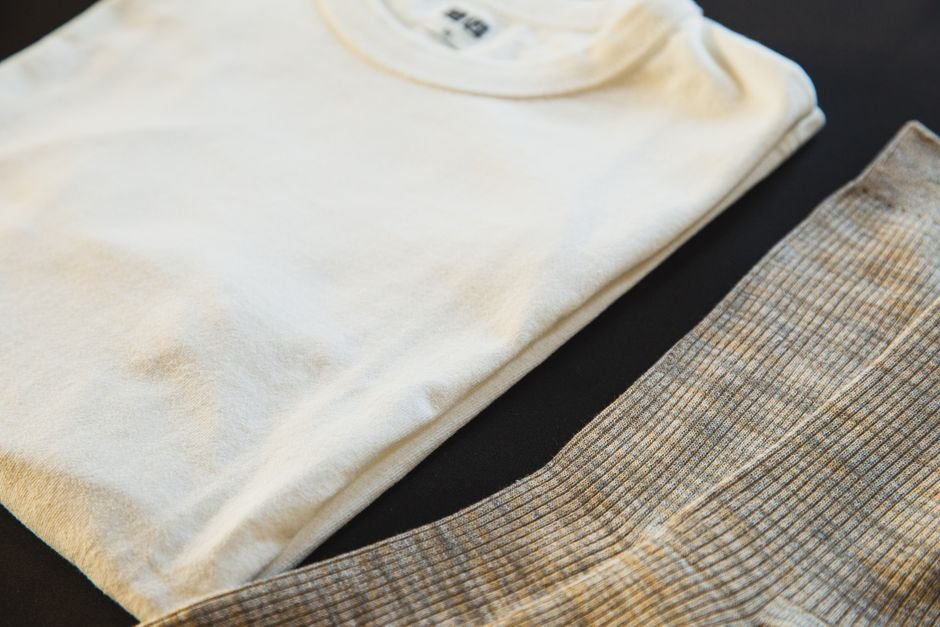
- Seams and tags. Flat-seam or seamless construction matters more than brand marketing. If tags are the issue, tagless isn’t optional — look for printed labels instead of sewn-in ones, or plan to cut tags out.
- Fabric weight and texture. Some kids want soft and light; others want the compression of heavier fabric against the skin. There’s no universal right answer, so this is worth testing with items you already own before buying more of the same.
- Fasteners. Buttons, zippers, and snaps each have a different feel and a different fine-motor demand. If dressing independence is a goal, that matters as much as the fabric.
- Fit at the waist and wrists. Tight elastic at these points is a common, easily overlooked source of daily discomfort, even in clothes that are sensory-friendly everywhere else.
Testing before you commit
Buy one item before a multipack. Have your child wear it for a full stretch of ordinary time, not just try it on in a store, since some discomfort only shows up after twenty minutes of movement, once a seam has had time to rub or a fabric has warmed against skin. Keep a short, specific note of what worked and what didn’t — “soft but seam at collar was a problem” is more useful for future shopping than a general sense that something didn’t go well. Over a few purchases, these notes start to form a pattern that’s specific to your child, which is worth more than any store’s sizing guide.
One thing to try this week: instead of shopping for new sensory-friendly clothing, go through what your child already avoids wearing and ask them, if they can tell you, exactly what’s wrong with it. That answer will do more to guide future purchases than any product description will.
Clothing tolerance connects to broader sensory processing differences, which the American Academy of Pediatrics’ autism resources note can affect touch, sound, and other senses very differently from one autistic person to the next. If a child is refusing entire categories of clothing, going without in situations where that causes real difficulty, or the distress seems to be increasing, an occupational therapist can assess sensory sensitivities in more depth than trial and error at home. Our piece on how sensory processing differences show up in everyday life covers this beyond clothing, and the mistakes to avoid when shopping for any sensory product are in our guide to choosing autism-friendly products.
There’s no shortcut that replaces knowing the specific kid. But checking construction over marketing gets you there faster than either one alone.