What Makes a Playground Genuinely Accessible, Not Just Physically
Ramps and rails matter, but a sensory accessible playground also accounts for noise, crowds, textures, and places to step away.

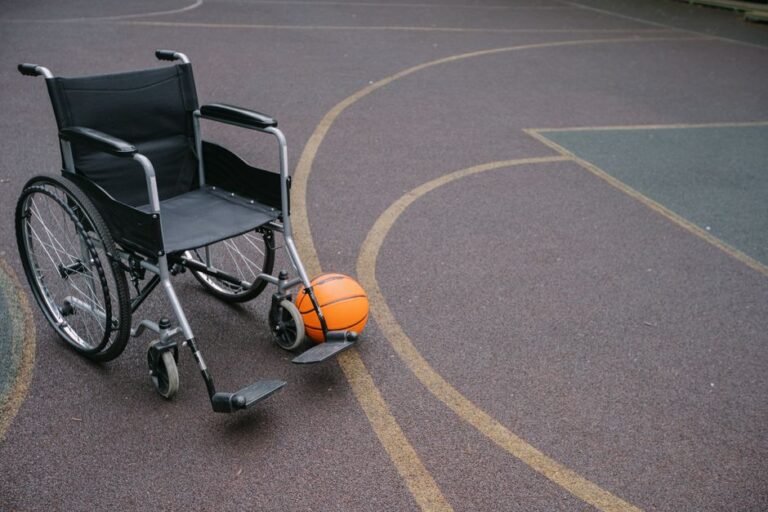
Ramps and rails matter, but a sensory accessible playground also accounts for noise, crowds, textures, and places to step away.
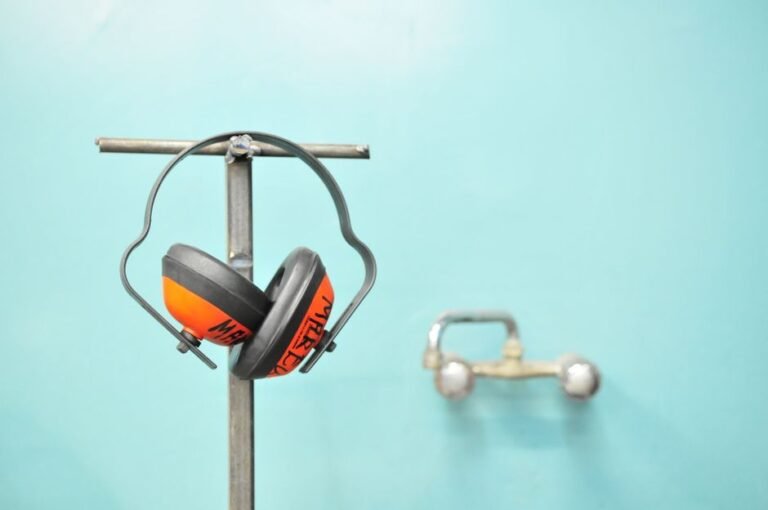
When choosing noise-canceling headphones for sound sensitivity, fit and comfort usually matter more than the noise rating on the box.
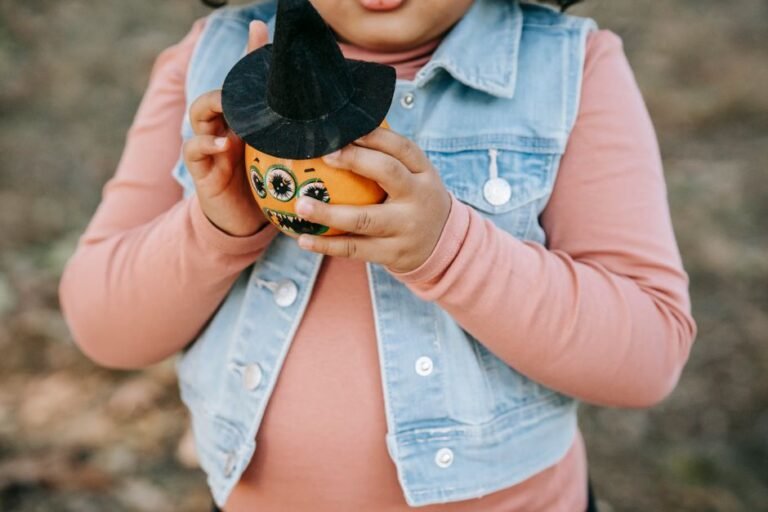
Comfortable costumes, a short route, and freedom to skip the parts that don’t work: what makes trick-or-treating accessible for autistic kids.
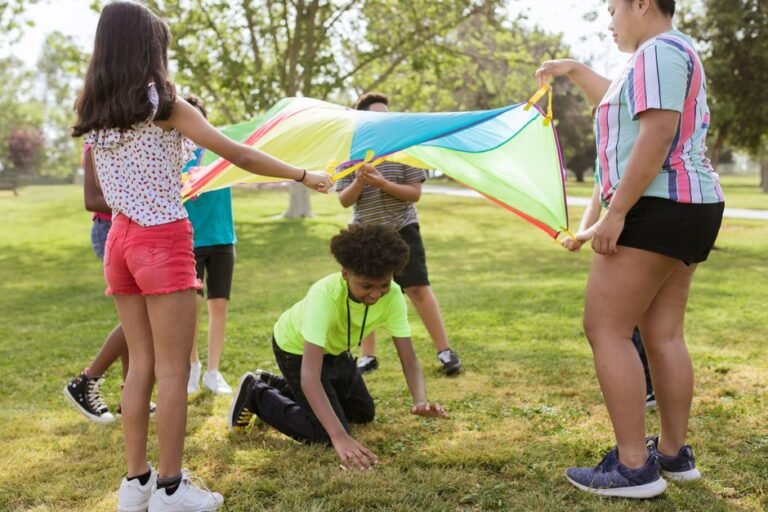
The questions that reveal whether a summer camp for autistic kids will adapt to your child, rather than expect your child to adapt to it.

Timing, a short visual list, and a clear exit plan do more to make grocery shopping with an autistic child easier than any single trick.
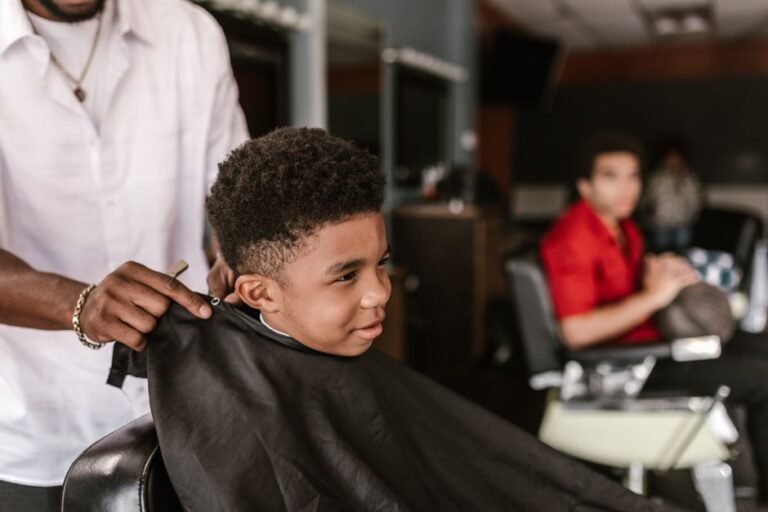
Small requests and preparation that make a haircut easier for a child with sensory sensitivities, from clippers to the cape.
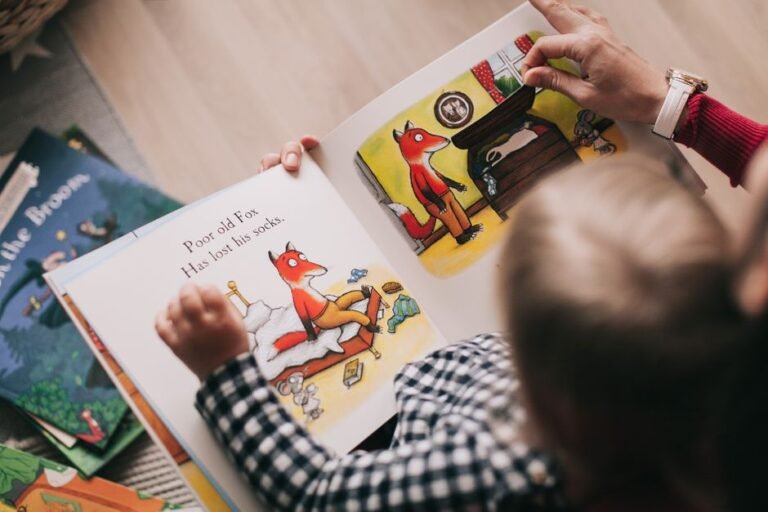
What to look for in books with autistic characters beyond simple representation, and how to tell a respectful story from a well-meant but harmful one.
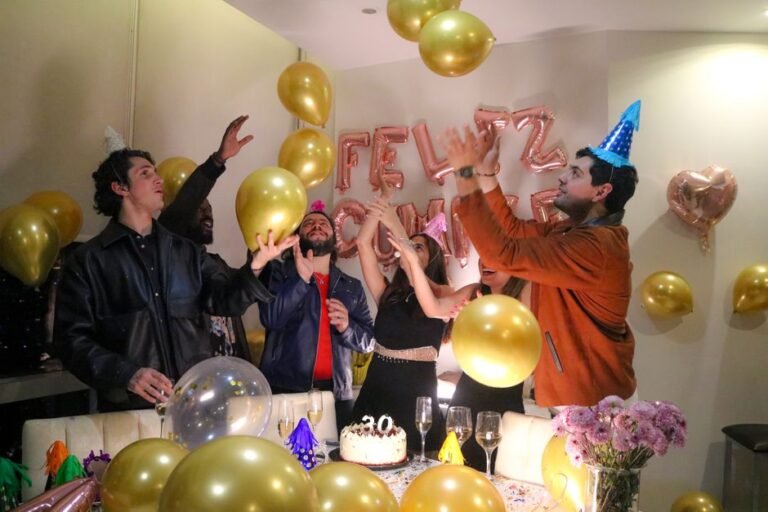
How to scale a birthday party to what your autistic child enjoys, from guest list and timing to an easy way out.

“Sensory-friendly” on a label doesn’t mean much on its own — here’s what to check instead when shopping for a child with sensory sensitivities.

Most calm-down corners get ignored because they’re built around what looks soothing instead of what a child’s nervous system actually needs.
End of content
End of content