What Parallel Play Means for Autistic Kids
For many autistic kids, playing near someone without a shared game is real connection, not a stage to grow out of.

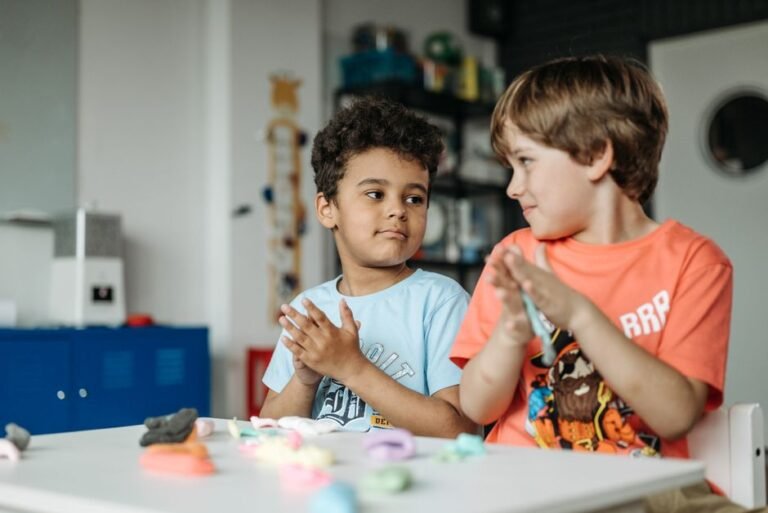
For many autistic kids, playing near someone without a shared game is real connection, not a stage to grow out of.

A tantrum is goal-directed and responds to outcomes. A meltdown is involuntary overload that doesn’t. Telling them apart changes how to respond.

Sensory seeking gets less attention than sensory avoiding, but craving movement, pressure, and sound is just as common a way autistic kids regulate.
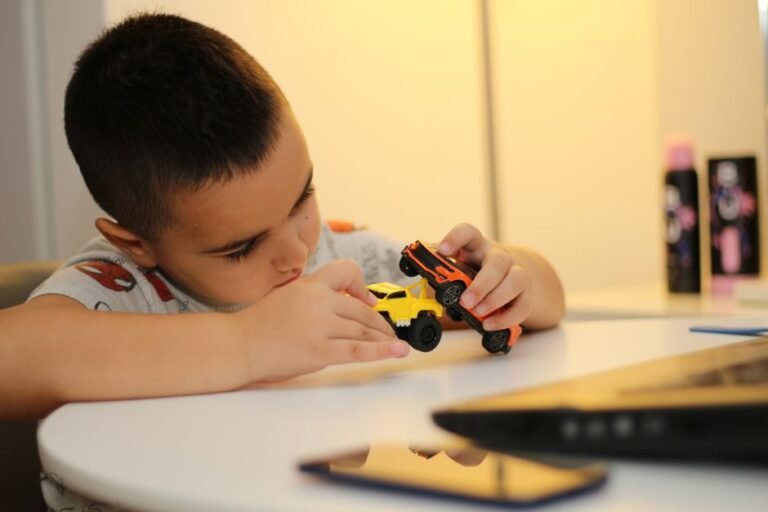
Lining up toys or replaying the same scene is still play — autistic play differences are a matter of pattern and repetition, not a lack of imagination.

Self-advocacy looks different at seven, seventeen, and forty — from nonverbal signals in early childhood to navigating systems as an adult.

A support network for autistic adults usually starts small — one person, one space, one recurring activity — not a wide friend group.

Echolalia — repeating words or phrases someone else said — is usually doing real communicative work, not producing meaningless noise.

Autistic burnout is a distinct, sustained exhaustion that rest alone doesn’t fix — here’s what it tends to look like and what tends to ease it.

Special interests aren’t something to ration or redirect — for many autistic people, they’re a genuine source of regulation, competence, and joy.

“Sensory-friendly” on a label doesn’t mean much on its own — here’s what to check instead when shopping for a child with sensory sensitivities.
End of content
End of content