Getting an Autistic Child Ready for a Family Photo or Gathering
Simple preparation — a clear sequence, a planned exit, and a heads-up to relatives — makes family photos and events far less stressful.


Simple preparation — a clear sequence, a planned exit, and a heads-up to relatives — makes family photos and events far less stressful.
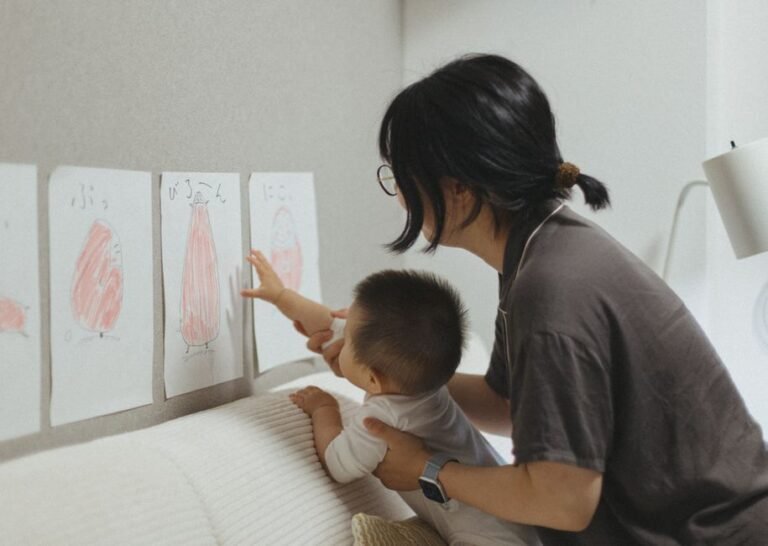
Milestone charts measure averages, not your child — here are the comparison mistakes that turn a chart into unnecessary worry.
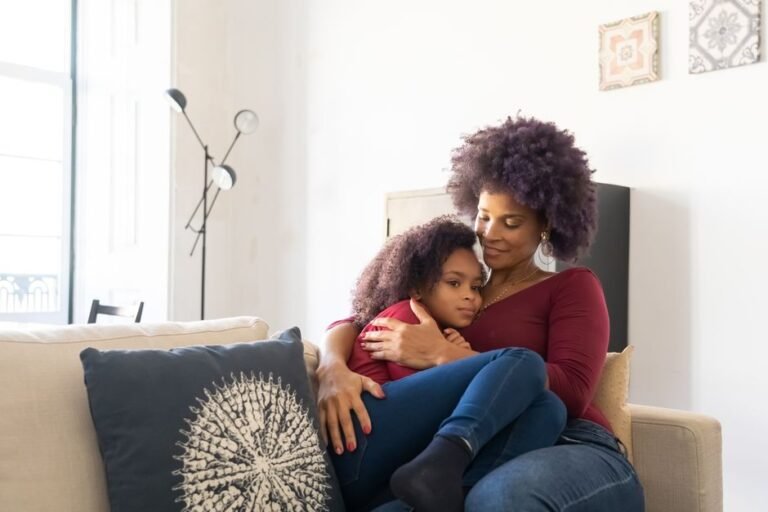
Co-regulation isn’t a script or a discipline strategy — it’s the calm you bring into the room that a child’s nervous system borrows from.

Practical ways to make sure siblings of an autistic child feel seen, not just managed around a busier schedule.
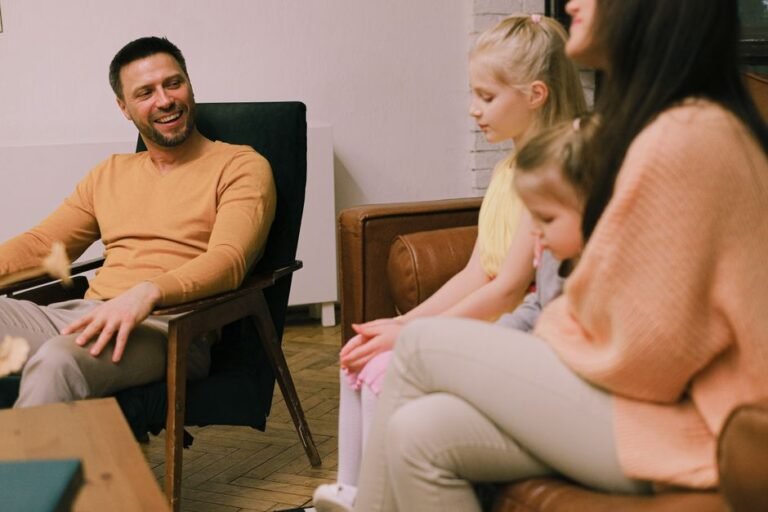
A calm, repeatable way to respond when relatives doubt your child’s diagnosis, without re-litigating it at every gathering.
A concrete, step-by-step look at what a visual schedule actually looks like in daily use, from the morning routine to bedtime transitions.

A strengths-based view of autism starts with what a person already does well and builds support around that, without ignoring real difficulties.
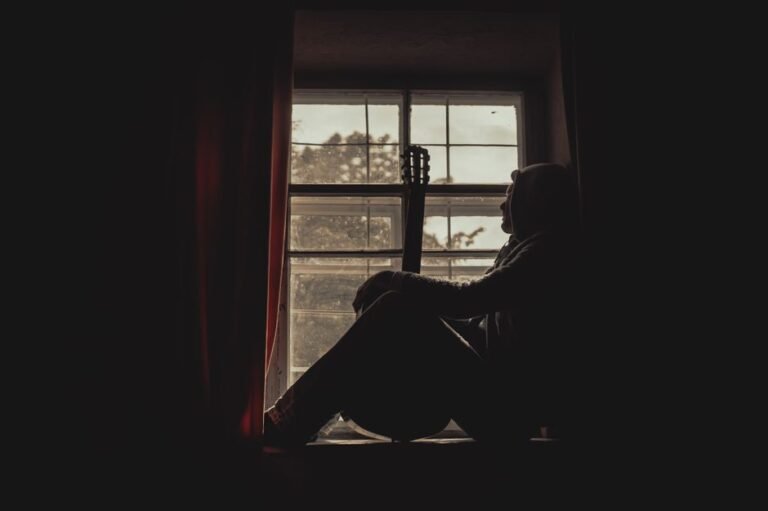
Alexithymia, difficulty identifying and naming your own emotions, is common but not universal among autistic people, and calls for its own kind of support.

Autistic people are frequently assumed to not want friendship, when the real barrier is usually a mismatch in how connection is expressed, not a lack of desire for it.
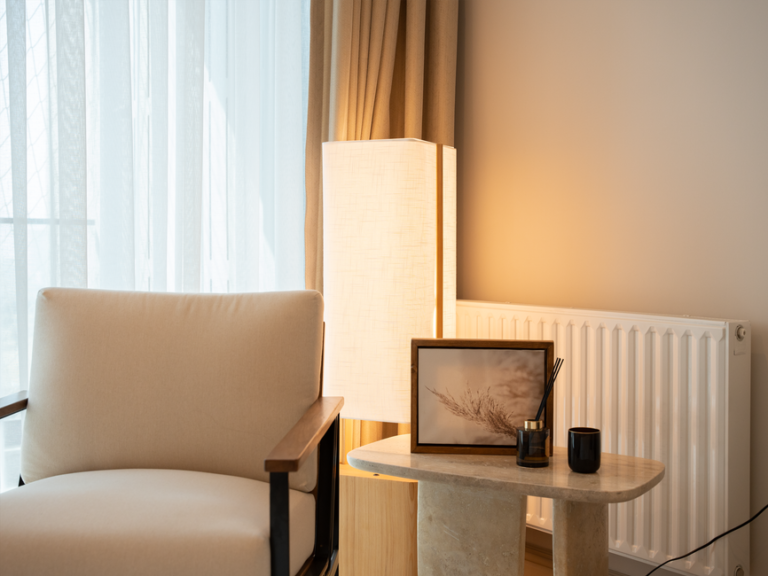
A genuinely sensory-regulating environment is built around lighting, sound, and texture choices tailored to a specific person, not a general template.
End of content
End of content