What Makes Halloween Genuinely Accessible for Trick-or-Treating
Accessible Halloween trick-or-treating comes down to three things: the costume is comfortable, the route is short and familiar, and nobody treats skipping a part of the night as a loss. Get those right and most of the rest follows. For many autistic kids the hard parts of trick-or-treating are not the candy or the fun, but the scratchy fabric, the masks, the dark, the doorbells, and the expectation to say a script to strangers.
The good news is that almost every one of those is adjustable. With this year’s Halloween just behind you, now is a useful time to note what worked and what didn’t, while it is fresh, and to start practicing well ahead of next October.
Start with what your child can wear
Costumes are often the biggest sensory barrier. Store-bought ones tend to be stiff, itchy, tight at the neck, and full of tags. A few alternatives that work well:
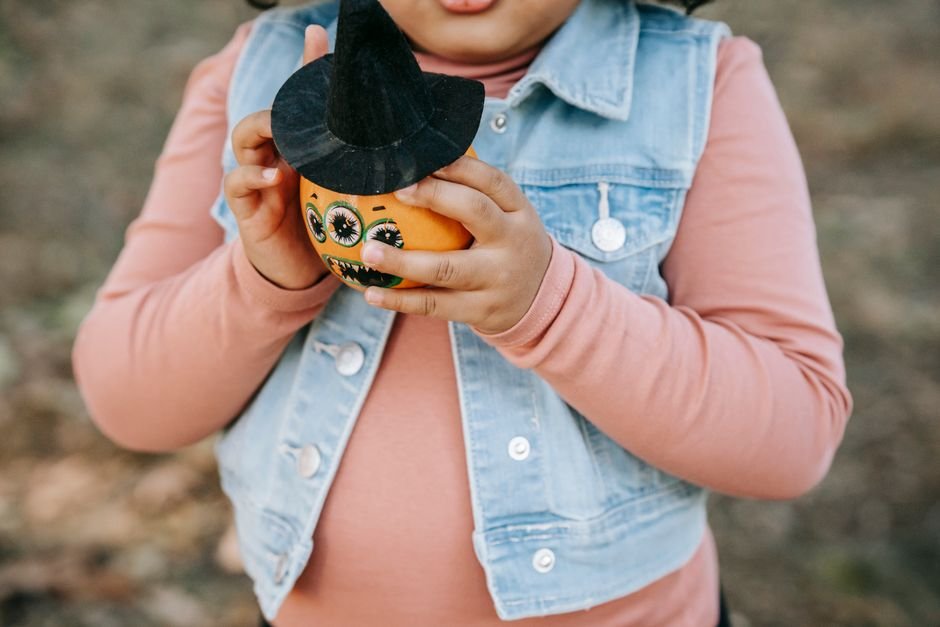
Build a costume on top of clothes your child already finds comfortable. A favorite hoodie with felt ears pinned on, or soft pajamas in a character’s colors, counts. Skip masks and face paint if your child dislikes things on their face; a hat or a held prop says the same thing. Try the full outfit at home several times, including walking, sitting, and going to the bathroom in it. If clothing textures are a regular struggle, our guide to sensory-friendly clothing has more ideas.
Planning accessible Halloween trick-or-treating
A short, known route helps. Choose a few houses of neighbors your child already recognizes, and consider letting them know in advance. Going at dusk, before the busiest stretch, means fewer crowds and more light. Some families do a practice walk earlier that day so the route is familiar.
The “trick or treat” exchange can be adapted too. Some children hold up a card, some wave, some let a sibling speak, and some just hold out the bucket. Communication takes many forms, as we cover in how autistic communication styles vary, and none of them is less valid at a front door.
Decide in advance what your signal to head home looks like, and make it easy to use. Three houses can be a complete, successful Halloween. So can handing candy out from your own porch, or a quiet evening with a movie and a bowl of treats. Trunk-or-treat events and daytime community parades are other lower-intensity options.
Some families also flag that their child may not speak or may take candy differently, using a colored bucket or a small card. That is entirely optional; it is your child’s information to share or not.
A small thing to do now: ask your child what part of Halloween they liked best this year, and what they would leave out next time. Write it down while it is fresh.
For general safety guidance on costumes, visibility, and treats, the American Academy of Pediatrics keeps family safety information up to date. If your child has food allergies or feeding needs, check with your pediatrician about how to handle candy swaps.
Halloween is supposed to be fun. If it is not fun for your child, you are allowed to change it.