Building a Calm-Down Space Your Kid Will Actually Use
Most calm-down corners get set up once, photographed for a parenting group, and ignored within a week. That’s usually not because the child doesn’t need a space to regulate in — it’s because the space was designed around what looks calming rather than what the child’s nervous system responds to.
Why the beanbag-and-poster version fails
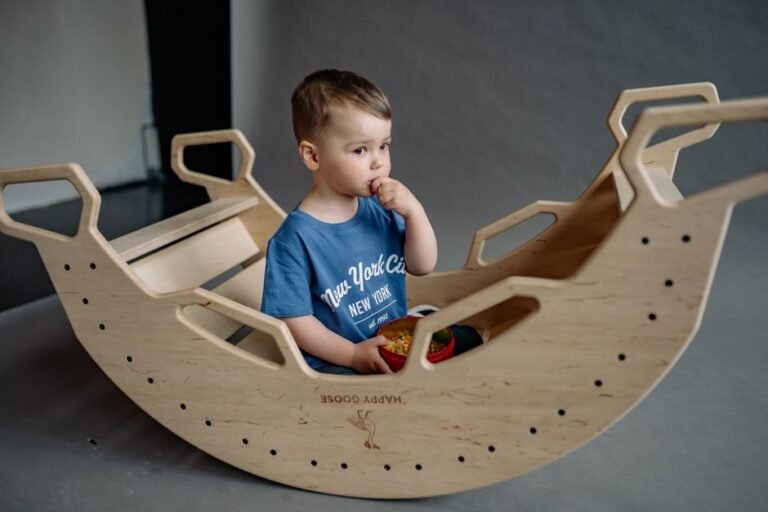
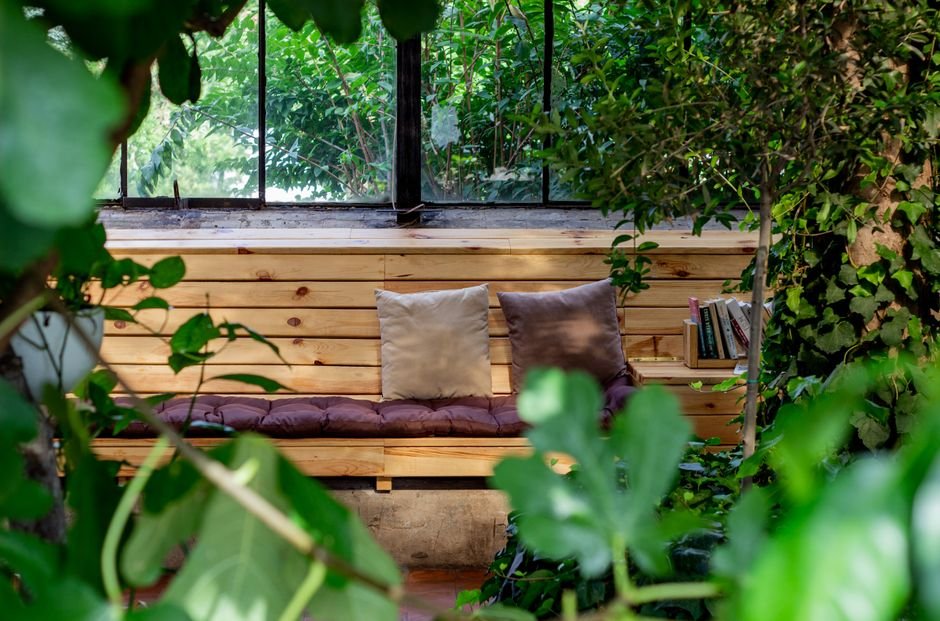
A lot of calm-down spaces are built from a template: soft lighting, a beanbag, a poster of feelings faces, maybe a jar of glitter water. For some kids that combination works. For others, the space is too visually busy, too exposed to the rest of the room, or stocked with things that don’t match how that particular child self-regulates. A child who calms through movement won’t get much from sitting still in a cushioned corner. A child who needs deep pressure won’t be helped by a lamp, however soft the light.
The fix isn’t a better-designed corner. It’s building the space around what you’ve already watched your child do to cope — rocking, squeezing something, going quiet under a blanket, spinning — rather than what a calm-down space is supposed to contain.
What makes one get used
Three things tend to matter more than decor. First, location: a space in the middle of household traffic won’t be used for genuine regulation, even if it’s beautifully set up. It needs enough separation to feel private. Second, it should offer options, not one fixed activity — something to squeeze, something heavy like a weighted lap pad, something to listen to with headphones, and the option to just lie down with nothing. A child’s regulation needs shift day to day, and sometimes hour to hour, so a space that only offers one option will eventually stop getting used. Third, the space needs to be available before a meltdown, not introduced as a consequence during one. If it only appears once a child is already overwhelmed, it reads as a timeout, not a tool, and kids tend to notice that difference fast.
One low-risk change to try this week: instead of adding new items, watch what your child already reaches for when they’re overwhelmed — a blanket, a specific toy, the dog, a corner of the couch — and build the space around that object rather than a Pinterest list. If stimming is part of how your child self-regulates, the space should make room for that rather than quietly discouraging it.
Sensory sensitivities and self-regulation needs vary widely and are part of the broader picture of how autism shows up day to day, as the CDC’s overview of autism signs and traits describes. If a child’s overwhelm is frequent, intense, or doesn’t ease with a space like this, that’s worth raising with an occupational therapist, who can assess sensory needs more specifically than a home setup can. Choosing calming toys with your child’s actual preferences in mind, rather than what’s marketed as sensory-friendly, is covered in more depth in our guide to genuinely accessible toys.
The space that gets used is rarely the one that looks the part. It’s the one that matches the kid.