What to Pack in a Go-Bag for Sensory Overwhelm Away From Home
A sensory go-bag is a small kit you keep ready so that a hard moment away from home doesn’t turn into a lost afternoon. It doesn’t need to be elaborate — a few reliable items, packed once, that you don’t have to think about when things are already loud.
The core five
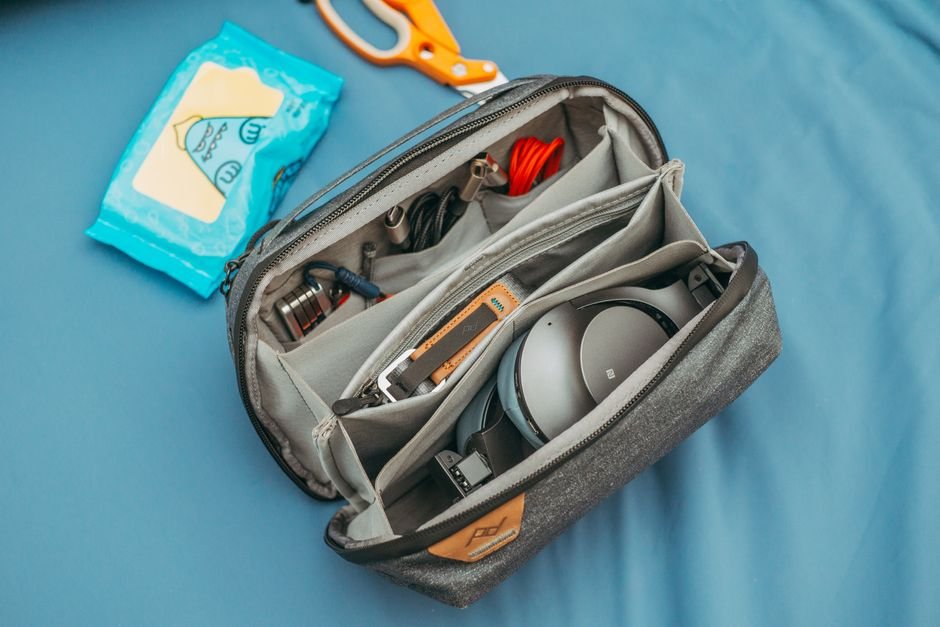
- Noise reduction. Over-ear headphones or earplugs, whichever your child tolerates and reaches for on their own.
- Something to chew or fidget with. A chew necklace, a familiar fidget toy, or gum if that’s allowed and preferred.
- Sunglasses. Bright fluorescent lighting is a common trigger in stores, waiting rooms, and school hallways.
- One comfort object. A specific soft item, not a rotating selection — the point is predictability, not variety.
- A snack that’s always safe. Something shelf-stable your child reliably eats, for the moment hunger makes everything else harder.
That’s the whole list for most families. Resist adding a sixth and seventh item just because they might help — a bag your child has to dig through defeats the purpose, and a bag that’s easy to search is a bag that gets used under pressure.
Where it lives
Keep the bag in the car or by the door, already packed, rather than assembling it each time you leave. A go-bag that requires prep gets left behind exactly when it’s needed most, like a rushed pickup or an unplanned stop. Check it monthly: snacks expire, batteries die, and kids outgrow which fidget actually works — what calmed a five-year-old often stops working by seven, and the bag should change with them.
Using it before things escalate
The bag works best offered early, at the first signs of rising discomfort — covering ears, or seeking exit — rather than after a full meltdown has started. If you can, narrate the offer instead of just handing something over: “Loud in here — want your headphones?” gives your child a chance to make the call themselves, which matters more as they get older. A bag introduced calmly, at home, before it’s ever needed for real, also means the first time your child reaches for it isn’t also the first time they’ve seen what’s inside.
Some environments call for tools beyond what fits in a bag, like advance planning for a specific venue. A sensory-friendly outing plan and a go-bag work well together — the plan reduces how often you need the bag, and the bag covers what the plan couldn’t predict. A calm-down space at home gives the same kind of tools a fixed location, which is worth building alongside a portable version for the times you’re not home.
When a bag isn’t enough
If sensory overwhelm is frequent enough that you’re reaching for the bag daily, or your child’s reactions involve injury to themselves or others, that’s worth raising with an occupational therapist rather than managing solely with tools packed for outings. The American Academy of Pediatrics has more on what sensory-focused therapy can look like when a child needs more consistent support.
Most families land on a bag that fits in a diaper bag or backpack side pocket. Small, boring, and ready — that’s the goal, not a comprehensive kit for every possible scenario.