
Building a Bedtime Routine That an Autistic Child Can Predict
A bedtime routine only does its job if a child can predict it before it happens. The value isn’t in the specific steps — bath, book, lights out — it’s in the fact that the sequence never surprises them.
Same order, every night, no exceptions for a while
Pick a sequence of three to five steps and keep the order fixed, even on nights when it would be easier to skip one. A routine that changes depending on how tired everyone is stops functioning as a routine — it becomes just a loose set of things that sometimes happen, and a child stops trusting it to predict what’s coming. Once it’s genuinely automatic, occasional flexibility is fine; the first several weeks are where consistency matters most, even when sticking to the order feels slower than just getting everyone to bed.
Make the sequence visible
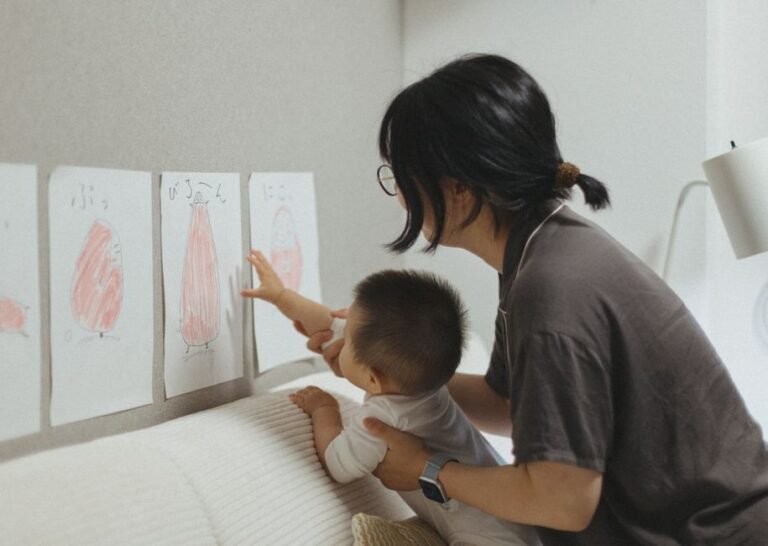
Many autistic kids do better with the routine shown, not just told. A simple card sequence taped to the wall, or a printed strip with a checkbox for each step, lets a child see exactly what’s left before lights out instead of relying on your verbal cues. A visual schedule built for bedtime specifically works the same way one built for mornings does — the format that already works during the day will likely work again at night.
Build in a warning before the routine starts
A bedtime routine that begins abruptly, interrupting whatever a child is doing, starts the whole sequence off on the wrong foot. A five- or ten-minute warning — “bedtime routine starts after this show ends” — gives a child time to finish their own thought before switching tasks, which tends to matter more for how the rest of the routine goes than anything that happens after the warning.
Plan for the nights it doesn’t hold
Travel, illness, and daylight saving time will all break the routine eventually, and that’s normal rather than a sign the routine has failed. On those nights, keep whichever single step matters most — often the last one, like the same book or the same phrase — even if everything around it is different. Returning to the full sequence the next night usually resets things faster than trying to explain the disruption in the moment, and it’s rarely worth a long conversation with a tired child about why last night looked different.
If sleep itself is the problem
A predictable routine helps with the transition into bed, but it won’t fix a child who is physically unable to fall or stay asleep. Morning routines tend to go more smoothly once bedtime is solved, but if your child is still awake an hour or more after lights out most nights, that’s worth raising with a pediatrician rather than adjusting the routine indefinitely on your own. The CDC has general background on autism and daily living that’s a reasonable starting point before that conversation.
Keep it short enough that you could run through it half-asleep, because some nights, you will be.