How to Choose a Summer Camp That Actually Welcomes Autistic Kids
A good summer camp for autistic kids is one that changes how it runs for your child, not one that simply says “all children welcome” on the brochure. The way to tell the difference is to ask specific questions before you enroll, and to listen closely to how the answers are given.
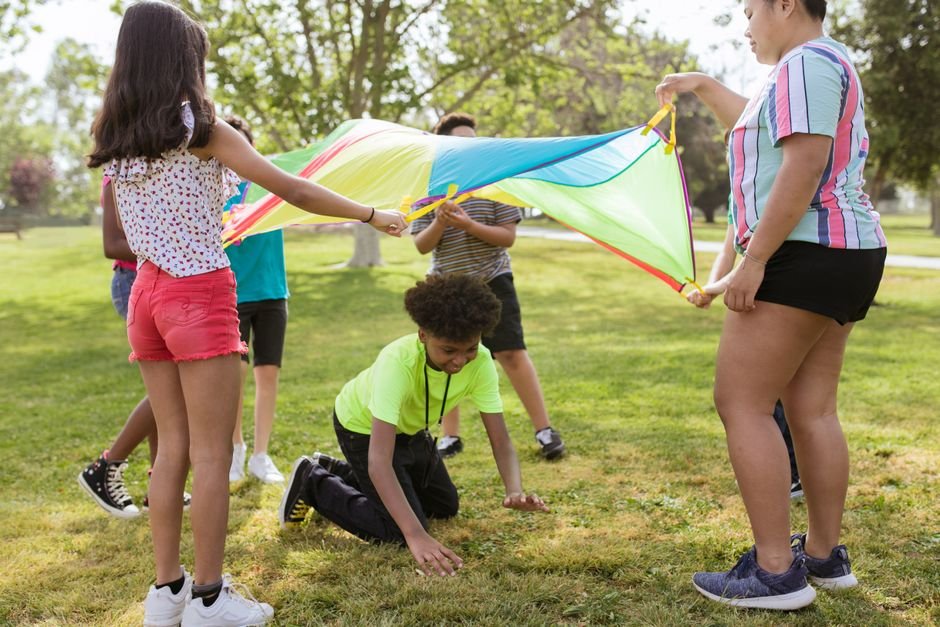
Camps come in many forms: general camps with inclusion support, camps built specifically for autistic or disabled children, day programs, and overnight stays. Any of them can be a good fit, and any of them can be a poor one. The questions below work for all of them.
Questions about people
- What is the staff-to-camper ratio, and does it change during swimming, field trips, or free time?
- What training do counselors get about autism, and who delivers it?
- Will my child have the same counselor each day?
- Has an autistic adult had any role in shaping the program?
Vague answers (“our staff are very caring”) are less reassuring than concrete ones (“every counselor has a half-day session with our inclusion lead, and ratios drop to one-to-three at the pool”).
What to ask a summer camp for autistic kids about the day
- Is there a written or visual schedule, and how far ahead will campers know about changes?
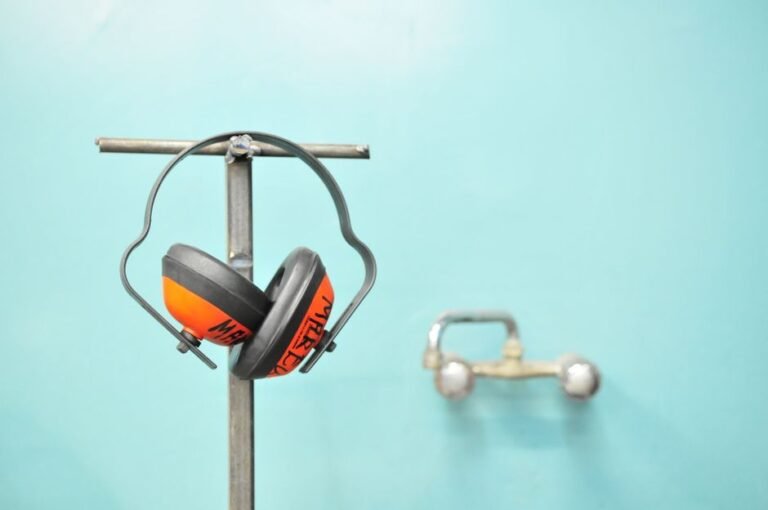
- Is there a quiet space a child can go to without it being treated as a punishment?
- How are loud events, like assemblies or end-of-week shows, handled?
- What happens if my child needs a break from a group activity?
Questions about how they see your child
This is where you learn the most. Ask how staff respond to stimming, to a child who does not want to join in, or to a child who communicates without speech. A camp that talks about stopping or redirecting harmless stimming is telling you something important. A camp that says it is part of how many kids regulate, and leaves it alone, is telling you something different. Our piece on what stimming is explains why that distinction matters.
Ask, too, how they would contact you during the day, and what would prompt a call. You want a camp that tells you early about small things, not one that only calls when something has gone wrong.
What to share before the first day
Even a well-prepared camp benefits from knowing your child specifically. A one-page profile covering what helps, what overwhelms, how your child shows distress, and how they communicate saves counselors from guessing. A communication passport is a ready-made format for this.
A step for this week: write down the three things a new adult most needs to know to keep your child comfortable. That list will shape which questions you prioritize on every camp call.
If your child has health, feeding, or medication needs, involve your pediatrician in the planning and make sure the camp’s nurse or health lead has written guidance from them. The Autistic Self Advocacy Network also has resources written by autistic people that are useful for thinking about what genuine inclusion looks like.
And if a camp seems reluctant to answer, that is your answer.