What Makes an Environment Genuinely Sensory-Regulating
A room can look calm and still be loud in ways that matter — a flickering fluorescent tube, an HVAC system that hums at a specific pitch, a chair that scratches against bare skin every time someone shifts. Genuinely sensory-regulating spaces are built around what a nervous system registers, not around what a space looks like in a photo.
Lighting is usually the first thing to fix
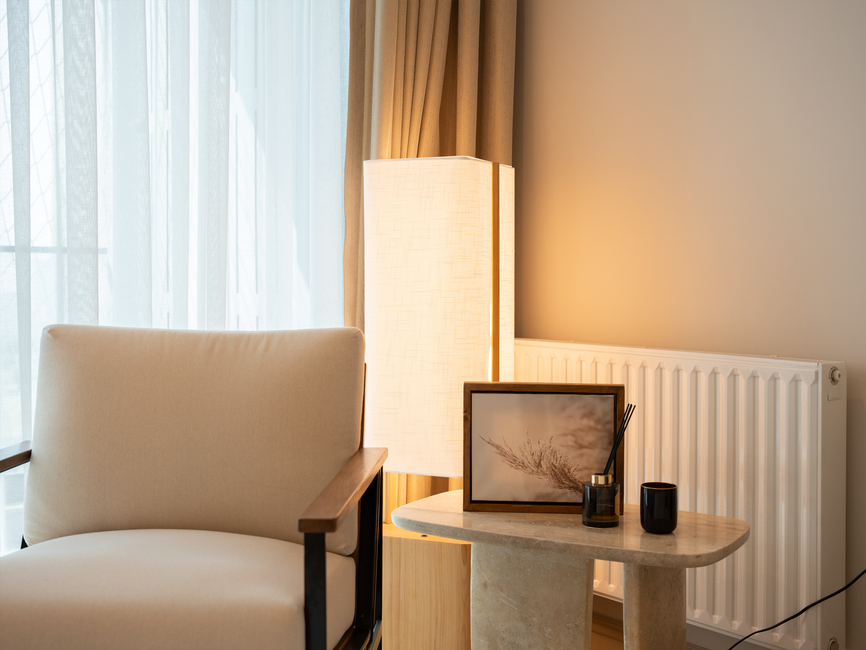
Fluorescent and LED lighting can flicker at a rate too fast to consciously notice but easy for some autistic nervous systems to register as stress. Swapping to warmer, dimmer, non-flickering bulbs, and adding a lamp instead of relying on overhead lighting, changes a room more than most people expect. Natural light with the option to dim or block it — blinds rather than sheer curtains — gives control back to the person using the space.
Sound is about control, not silence
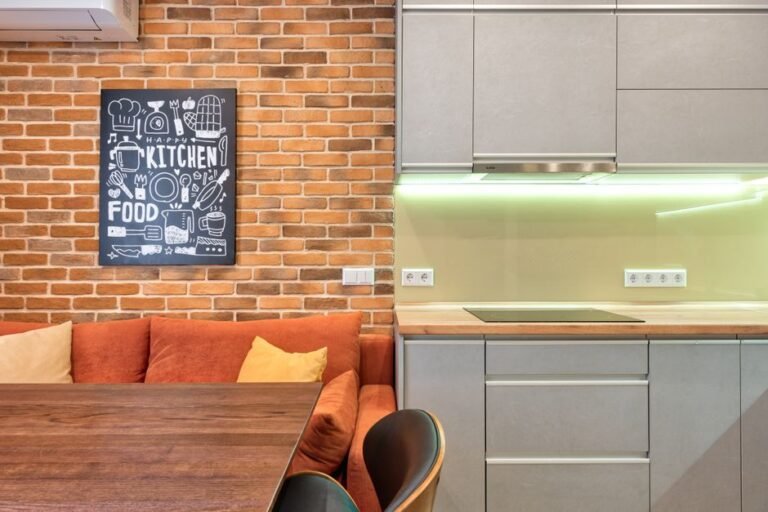
A sensory-regulating space doesn’t have to be silent. What helps is predictability and the ability to reduce input on demand: a door that closes fully, soft furnishings that absorb echo, a white-noise option to mask an unpredictable sound like a neighbor’s dog or a building’s plumbing. Open-plan spaces with hard floors and high ceilings tend to be the hardest to regulate, because every sound reflects and layers on top of the next one.
Texture choices that reduce friction
Seating, bedding, and clothing textures against skin can be a constant low-grade irritant that’s easy for other people to miss entirely. Removing tags, offering a range of fabric weights, and avoiding scratchy or stiff upholstery in a space someone spends real time in are small, concrete changes. The same applies to flooring — a soft rug near a workspace can matter more than the color of the walls.
An effective calm-down space for a child follows the same logic scaled down: fewer competing inputs, more control over the ones that remain. The goal in any room is giving a person the ability to adjust their own environment rather than guessing at a single universal setup that works for everyone.
Building it with the person, not for them
The most reliable way to get a sensory-regulating space right is to ask the person using it what specifically bothers them, rather than assuming based on general guidance. Sensory processing differences vary enormously between individuals — one person’s calming dim light is another person’s frustrating dimness they can’t see to read by.
An occupational therapist can help assess a specific space and identify which inputs are actually driving distress versus which ones are incidental, since guessing tends to produce a room that looks therapeutic without functioning that way. Small, testable changes — one lamp, one rug, one white-noise machine — usually reveal more than a full redesign done all at once.
NICE guidance on supporting autistic people notes that environmental adjustments should be tailored to the individual rather than applied as a fixed template, which matches what most families and adults find through trial and error at home.