Common Mistakes People Make Choosing Noise-Canceling Headphones
The most common mistake in choosing noise-canceling headphones is picking the pair with the highest noise rating and assuming the job is done. For autistic kids and adults with sound sensitivity, headphones only help if they are comfortable enough to wear, and comfort is where most purchases go wrong.
Here are the mistakes that come up again and again.
Mistake 1: Treating the noise rating as the whole story
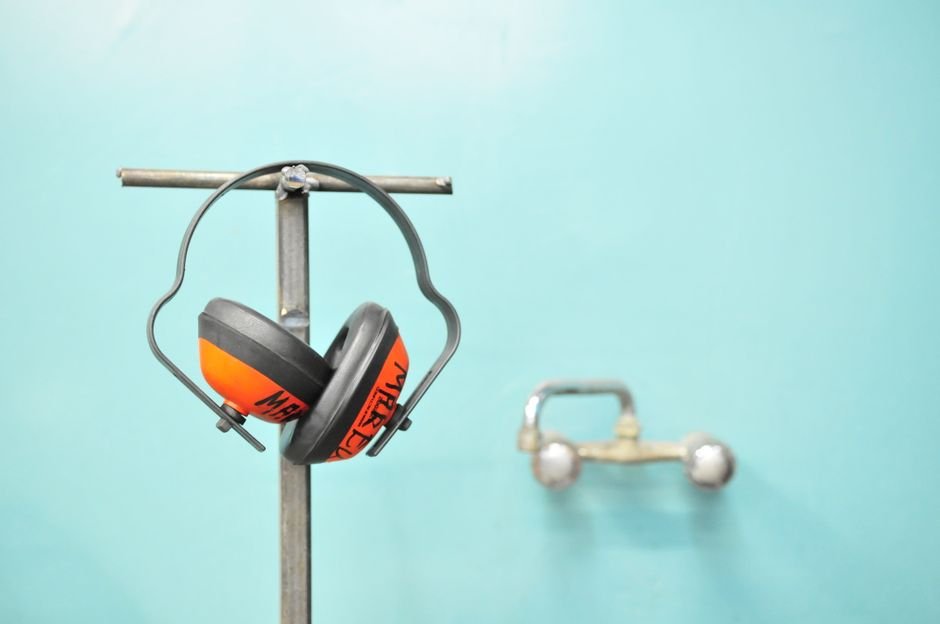
Passive ear defenders carry a noise reduction rating, and active noise-canceling headphones advertise how much background hum they remove. Both numbers are useful, but they do not tell you whether a person will keep the headphones on. A slightly less powerful pair that someone wears all afternoon does more than a stronger pair that comes off after five minutes.
Mistake 2: Ignoring fit and pressure
Clamping force, the squeeze on the sides of the head, is a frequent dealbreaker. So are heavy headbands, ear cups that press on the ears instead of around them, and cushions that get hot. Children’s heads grow, so adjustable bands matter. If you can, try a pair on in a store, or buy from somewhere with an easy return policy.
Mistake 3: Forgetting that active and passive work differently
Active noise-canceling is good at steady low sounds like engines, air conditioning, or crowd rumble. It is less effective against sudden sharp sounds like a dropped plate or a hand dryer. Passive ear defenders block more evenly but are usually bulkier. Some people prefer one, some the other, and some use both for different settings. It helps to think about what sounds are causing the most trouble before deciding.
Mistake 4: Choosing noise-canceling headphones for the adult, not the wearer
Color, texture, and how a pair looks to peers can decide whether a child or teen will wear headphones at school. Let the wearer have a real say, and if possible let them test two or three options at home before you commit. A pair they picked themselves is far more likely to end up in their backpack. The same point applies to a lot of sensory gear, as we discuss in common mistakes choosing “autism-friendly” products.
Mistake 5: Using them all day, every day, without a plan
Headphones are a legitimate tool, not a crutch. Still, some families notice that wearing them constantly can make quiet rooms feel too quiet or make ordinary sound feel harder when they come off. It is worth thinking about where they help most, like the cafeteria, the store, or the bus, and leaving room for unplugged time where the environment allows. Understanding how sensory processing differences show up can help you spot patterns.
Try this today: list the three sounds that bother the wearer most and where they happen. Take that list with you when choosing noise-canceling headphones, because it tells you which type to look at first.
If sound sensitivity is new, getting worse, or comes with ear pain or ringing, see your pediatrician or an audiologist to rule out a hearing issue. An occupational therapist can also help with broader sound-sensitivity strategies. The American Academy of Pediatrics has family information on ear and hearing health.