Common Mistakes Schools Make With Unstructured Time Like Recess
Recess is supposed to be the easy part of the school day. For many autistic students it is the hardest, because it removes nearly everything that makes the rest of the day manageable: a clear task, a known place to be, an adult giving direction, and a predictable end point. The mistakes below are common, and most are fixable without much cost.
Lunch, transitions between classes, bus lines, and free periods share the same problem. They are loud, crowded, socially complicated, and governed by rules nobody writes down.
Six unstructured time at school mistakes
Assuming free time means rest. Adults often picture recess as a break. For a student who spends the rest of the day working hard to cope, a noisy playground with shifting social rules can be more demanding than a math lesson. A student who looks fine at recess may simply be holding it together.
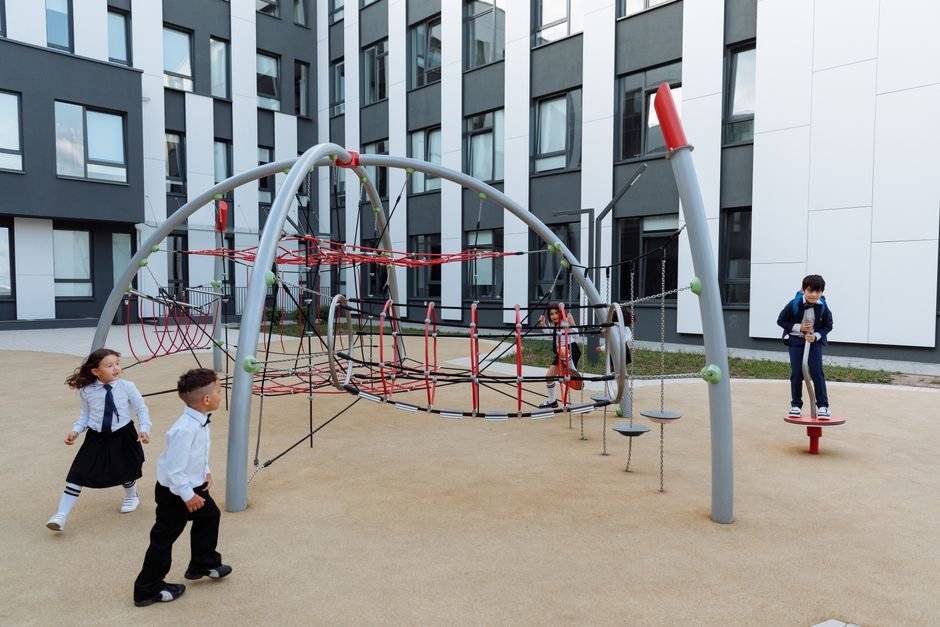
Treating the playground as the only option. Some students want to play; some want to be near others without joining in; some need quiet. A library corner, a garden area, or a lunch club gives students real choices. Many autistic kids enjoy company in the form of side-by-side activity, and parallel play is a legitimate way to be social, not a failure to join in.
Forcing interaction. Assigning a “buddy” or insisting a student join a game can backfire badly. Offering structured activities, such as a board game table or a building club, lets connection happen around a shared interest. The idea that autistic kids do not want friends is one of the most persistent friendship myths, and the answer is better conditions, not pressure.
Sparse or passive supervision. Unstructured time is when teasing and exclusion are most likely to happen out of adult view. Supervisors who know which students may need a check-in, and who move around rather than standing in one place, make a real difference.
Using recess as a consequence. Taking away recess for unfinished work or behavior removes movement and downtime from the students who may need them most. If a student is struggling to finish work, that is a question for the IEP team.
Leaving it out of the plan. IEPs often focus entirely on lessons. Supports for lunch, recess, and transitions can be written in too, from a quiet lunch option to a visual map of where to go and what is available.
What families can do
Ask your child, in whatever way works for them, what the best and worst parts of recess and lunch are. A drawing, a rating scale, or a simple “where do you go?” can reveal a great deal. Share what you learn with the teacher and ask what options already exist. Schools often have a quiet room or club that nobody thought to mention.
If unstructured time seems to be causing ongoing distress, avoidance of school, or exhaustion that affects home life, raise it with the IEP team and with a professional who knows your child, such as a psychologist or occupational therapist. The American Academy of Pediatrics offers guidance for families of autistic children that can help frame those conversations.
The underlying point
The least structured part of the school day deserves as much planning as the most structured one. Sometimes more.