What Makes Group Work Genuinely Accessible for an Autistic Student
Group work becomes accessible when the structure is visible: clear roles, written instructions, a known group, and more than one acceptable way to contribute. Good intentions help, but accessible group work for autistic students depends far more on how the task is set up than on how kind the classmates are.
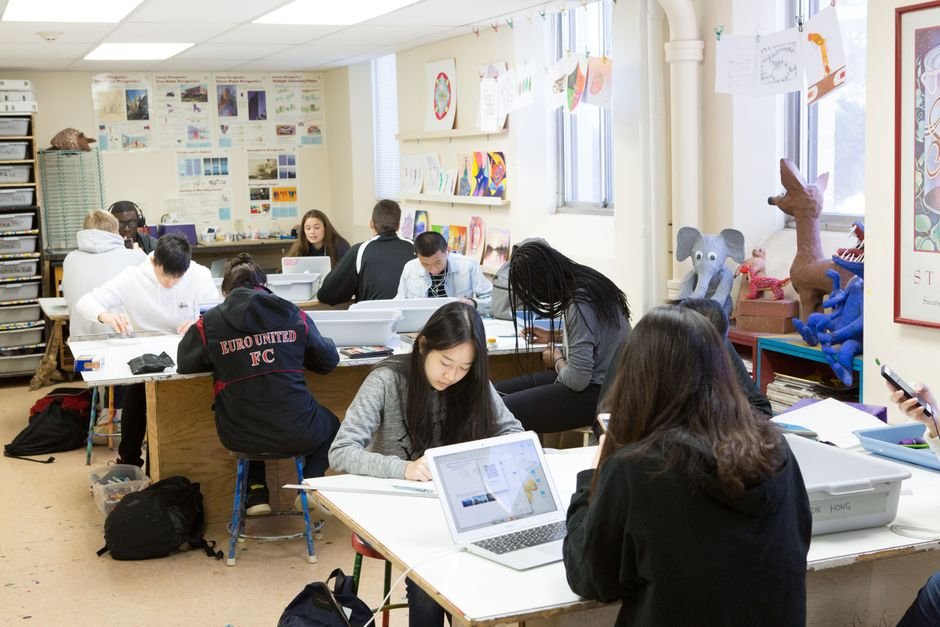
Group tasks pile several demands on at once. There is the academic work itself, plus reading unspoken social rules, negotiating who does what, coping with a noisy room, and switching attention between several people. For many autistic students, the social and sensory load can crowd out the learning the task was meant to produce.
None of this means an autistic student can’t do well in a group. Many enjoy collaboration, especially around a shared interest. It means the hidden parts of group work need to be made explicit.
Accessible group work for autistic students starts with structure
Teachers can make a large difference with a handful of changes:
- Assign or offer roles. Researcher, note-taker, designer, presenter. A defined role removes a round of vague negotiation. Letting a student choose a role, or trade one, respects that some jobs suit some people better.
- Put instructions in writing. A short task card with the goal, steps, and deadline means no one has to hold spoken directions in memory while the room gets loud.
- Keep groups stable. A familiar group for a unit is easier than a new mix every lesson.
- Allow different ways to contribute. A shared document, written comments, or drawing a diagram can count as full participation. So can speaking less in discussion and doing more of the building.
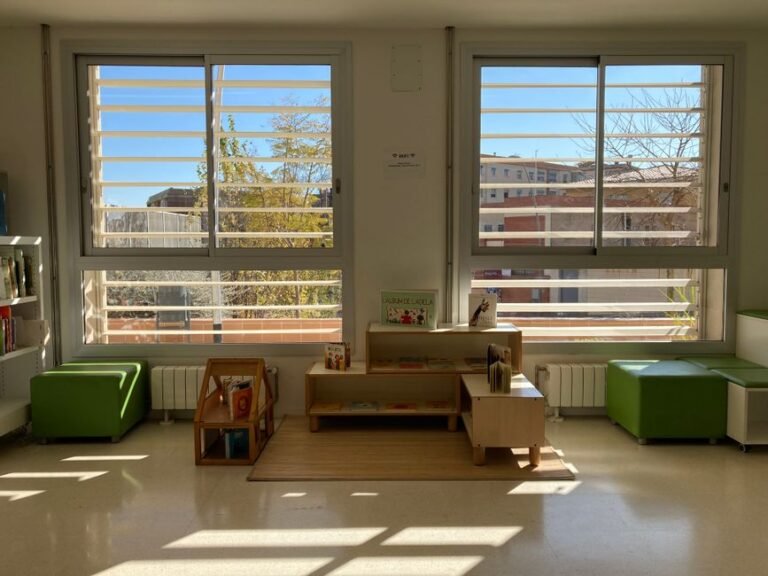
- Offer a quieter spot. One group in the corridor or library can ease the sensory load for everyone.
- Grade individual contributions. This avoids one student carrying the group or being blamed for its gaps.
Many of these overlap with broader sensory-friendly classroom adjustments, and they tend to help other students too.
Communication runs both ways
Group friction is often framed as the autistic student’s social difficulty. Research on the double empathy problem suggests misunderstandings between autistic and non-autistic people flow in both directions. A classmate who reads directness as rudeness is part of the mismatch too.
Teachers can name this openly: people communicate differently, and a group works best when members say plainly what they mean and check rather than assume. Setting a norm like “ask, don’t guess” helps everyone.
Avoid framing eye contact, tone of voice, or sitting still as participation requirements. These measure conformity, not collaboration.
One step a parent or student can take today: ask the teacher how groups and roles are assigned, and whether written task instructions are available. It is a small, reasonable request, and it can be added to an IEP or 504 plan if it helps.
The Autistic Self Advocacy Network publishes resources centering autistic perspectives on inclusion that are worth sharing with a school team.
If group work is causing ongoing distress, bring it to the IEP team or a school psychologist rather than waiting for it to resolve itself. Distress is information, and it deserves a plan.