What Physical Therapy Might Address for an Autistic Child
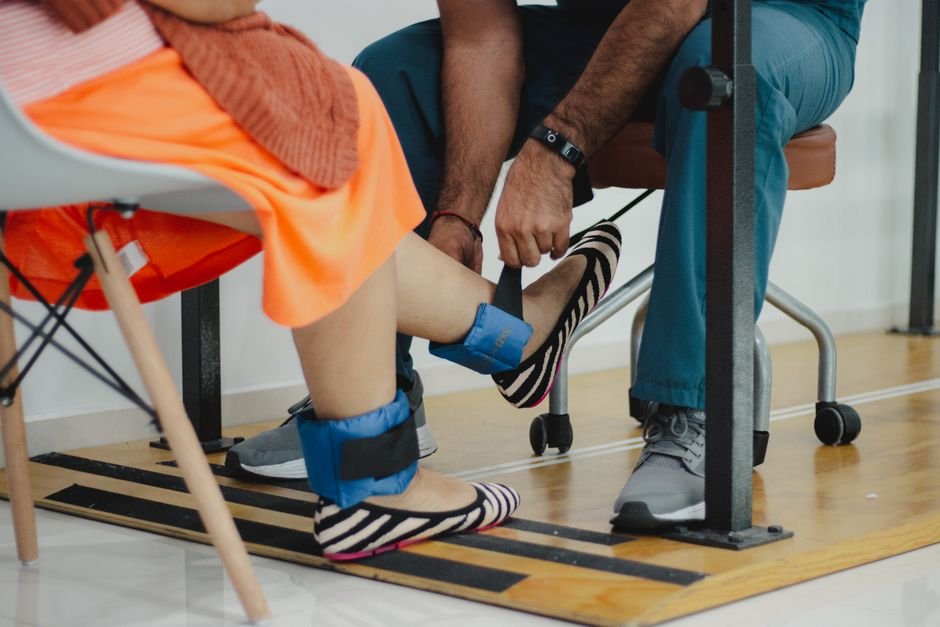
Motor planning, balance, coordination, and strength are the areas that physical therapy for an autistic child most often works on. Not every autistic child needs it; a physical therapist becomes relevant when differences in movement make everyday things like stairs, playgrounds, getting dressed, or keeping up in gym class harder than they need to be.
Motor planning
Motor planning is the ability to work out and sequence a new movement: how to climb onto unfamiliar equipment, how to pump a swing, how to catch a ball coming from an odd angle. Some autistic children find familiar movements easy but new ones effortful, and may avoid physical activities for that reason rather than from lack of interest. A physical therapist breaks those movements into smaller steps and practices them in ways that feel like play.
Balance and coordination
Some children trip often, bump into things, or find it hard to coordinate both sides of the body for skipping, riding a bike, or jumping jacks. Therapy here might involve obstacle courses, balance boards, ball games, or climbing, adjusted to the child’s interests. A child who loves trains might practice stepping along a “track” taped to the floor.
Muscle tone, strength, and stamina
Lower muscle tone can mean a child tires quickly when sitting upright, slumps at a desk, or finds activities that need sustained effort hard going. A physical therapist can assess this and suggest ways to build strength and stamina gradually, often woven into ordinary routines rather than added as extra exercises.
How it differs from occupational therapy
The line is blurry, and the two often overlap. Broadly, physical therapy focuses on large movements such as walking, running, jumping, and balance, while occupational therapy leans toward fine-motor and sensory parts of daily tasks like handwriting, dressing, and eating. Our piece on what occupational therapy sessions look like gives a sense of the difference in practice. Some children see both; many see neither.
It’s also common for motor skills to sit unevenly alongside other abilities. A child might read far ahead of their age and still find stairs tricky. That kind of spiky skill profile is common among autistic people and isn’t something therapy needs to flatten.
What good physical therapy for an autistic child looks like
A good physical therapist sets goals around what matters to the child and family: joining friends on the climbing frame, getting up the bus steps independently, riding a bike. They explain what they’re doing, respect a child’s sensory limits, and don’t treat stimming or unusual movement patterns as things to eliminate. If sessions regularly leave your child distressed, say so. The approach should change, not your child’s tolerance.
Something small to try today: notice which physical activity your child picks when nobody is directing them. That preference is useful information to bring to a first appointment, and a good therapist will build on it.
If you’re wondering whether a referral makes sense, start with your pediatrician, who can look at the whole picture and point you toward a pediatric physical therapist. The NICE guideline on support and management for autistic children and young people also outlines the kinds of support services are expected to consider.