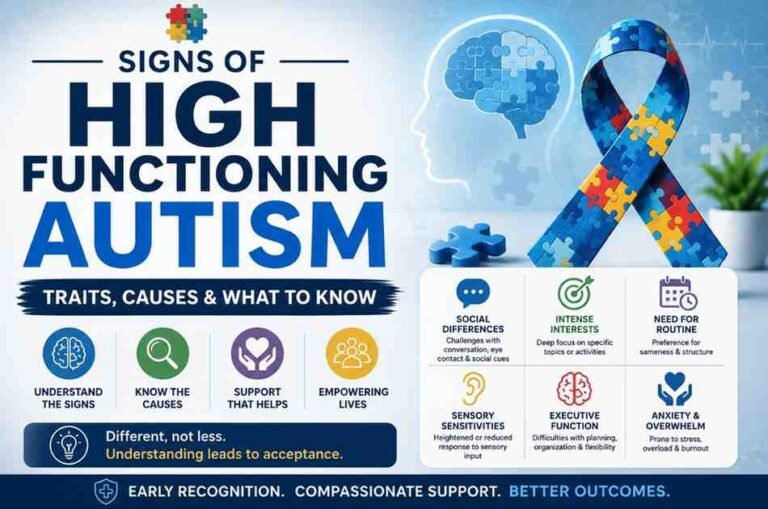

How Special Interests Change Across Childhood and Adulthood
A four-year-old who can name every dinosaur species and a forty-year-old who tracks train schedules for fun are often living out the same underlying pattern, just decades apart. Special interests over time tend to change in subject far more than they change in shape: the intensity, the depth, and the comfort they provide usually stay remarkably consistent from childhood into adulthood.
What tends to shift
The topic itself is the part most likely to move. A child fixated on vacuum cleaners might, ten years later, be deep into aviation, coding, or a specific historical period. Some interests do last a lifetime unchanged, but many rotate — sometimes gradually, sometimes seemingly overnight when something new captures the same intensity the old interest had. What usually doesn’t change is the function the interest serves: a reliable source of calm, competence, and genuine enjoyment in a world that can otherwise feel unpredictable.
Adults sometimes describe their interests becoming more private with age, not because the interest faded but because years of being teased or redirected taught them to keep it to themselves. That’s a loss worth noticing — the interest didn’t get smaller, the space to talk about it did.
Why the intensity stays the same over time
Research on circumscribed interests in autistic people has found they tend to be unusually focused and durable compared with typical hobbies, and that pattern holds up well past childhood. That’s not something to manage down. A special interest pursued at nine and one pursued at thirty-nine can both be doing the same quiet work: providing structure, a sense of mastery, and something to look forward to.
What does change with age is often the practical value attached to the interest. A teenager’s deep knowledge of a subject can turn into coursework, a job, or a genuine community of people who share it. That transition doesn’t always happen, and it doesn’t need to for the interest to be worthwhile — enjoyment on its own is a legitimate reason to keep doing something.
What helps across the years
The most useful thing a parent or partner can do is resist the urge to time-limit or “balance out” an interest that isn’t causing any real problem. If a change in intensity comes with a drop in sleep, eating, or the ability to manage daily responsibilities, that’s worth a conversation with an occupational therapist or clinical psychologist familiar with autism — not because the interest is the problem, but because something else might be underneath it.
Otherwise, the interest itself rarely needs fixing. Special interests are, for a lot of autistic people, one of the steadiest things they have — and a genuine source of joy, not just something to grow out of. A peer-reviewed study of circumscribed interests in autistic youth backs up what a lot of autistic adults already know from experience: these interests aren’t a phase to be managed. They’re a feature that tends to travel with a person, changing shape but rarely disappearing.
It can help to ask, every few years rather than every few weeks, whether an old interest has quietly given way to a new one, and to treat that shift as ordinary rather than as something lost. The through-line was never the subject matter. It was always the sense of calm, focus, and delight the interest provided — and that part tends to be remarkably durable, whatever it happens to be attached to this year.