What Makes a Toy Genuinely Accessible for Autistic Kids
A toy labeled “autism-friendly” on the box tells you almost nothing about whether a specific child will enjoy it. The label is marketing. What makes a toy genuinely accessible comes down to a smaller set of concrete features, and they’re the same features that make a toy good for a lot of kids, autistic or not.
Predictability, without being boring
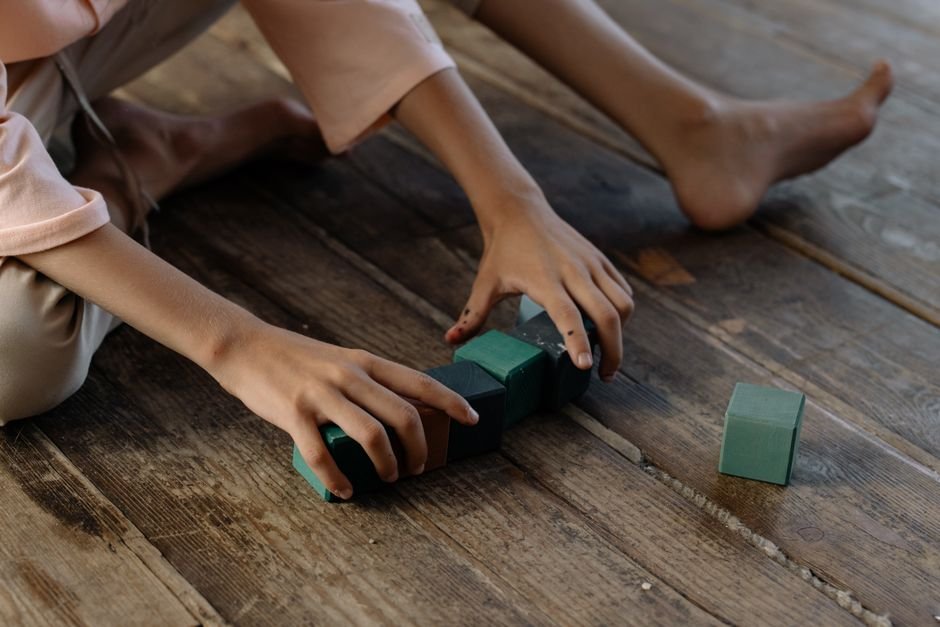
A toy that behaves the same way each time — press this button, get this sound; stack these blocks, get this shape — lets a child build mastery instead of guessing. That doesn’t mean the toy has to be simple. Open-ended toys like building blocks, magnetic tiles, or art supplies are predictable in their mechanics even though what a child builds with them changes every time. The unpredictability that causes frustration is usually about inconsistent cause and effect, not about creative freedom.
Sensory input the child can control
Volume, texture, and light are the details that make or break a toy for a lot of autistic kids, and they’re rarely mentioned on packaging. A toy with a volume dial or a mute option lasts far longer in rotation than one with a single fixed sound level. Textured toys are wonderful for some kids and immediately rejected by others; there’s no way to know without trying, which is part of why buying secondhand or borrowing before committing to an expensive item is worth doing when possible.
The common thread is control. A toy the child can adjust to their own sensory preferences tends to get more genuine play than one designed around a generic idea of what’s calming. It’s worth remembering that sensory preferences and processing differences are individual and can shift with age, mood, and context, so what worked last year may not work this year, and that’s a normal part of development rather than a sign a toy has failed.
Room to play alone, and room to play with someone
Some of the toys marketed hardest as “social skills” toys assume a child wants structured turn-taking every time they play. Plenty of kids, autistic and not, want to build, sort, or create independently sometimes and interact other times. A toy that works well solo and also holds up when a sibling or parent joins in gives a child that choice, rather than forcing a social framework onto every play session.
What to actually check before buying
Skip the packaging claims and look for three things instead: can the child control the volume or intensity, does it behave consistently, and does it work for both solo and shared play. A weighted lap pad, a set of open-ended building tiles, or a simple fidget with adjustable resistance often score better on all three than a toy explicitly marketed for autism. None of these features are exotic or expensive to find; they just aren’t what packaging tends to advertise.
If sensory preferences are still something you’re figuring out for your child, how sensory processing differences show up in everyday life is a good place to start, and it’s worth reading before you spend on anything expensive. What stimming is, and why it isn’t something to suppress is also useful context, since a lot of “good” toys succeed by supporting exactly the kind of self-regulation that stimming already provides. If your child sees an occupational therapist, they can often point you toward toys shaped around your child’s specific sensory profile, and the American Academy of Pediatrics has broader guidance on supporting sensory and developmental needs if you want a clinical perspective alongside the community one.