What Makes a Sensory Room at School Genuinely Useful
Why some school sensory rooms sit empty, and the access, location, and planning choices that make one help autistic students.


Why some school sensory rooms sit empty, and the access, location, and planning choices that make one help autistic students.

A sensory activity plan is an individualized schedule of movement and sensory activities, usually written with an occupational therapist.

What proprioceptive input is, why heavy work can feel settling, and simple everyday ways to offer it.
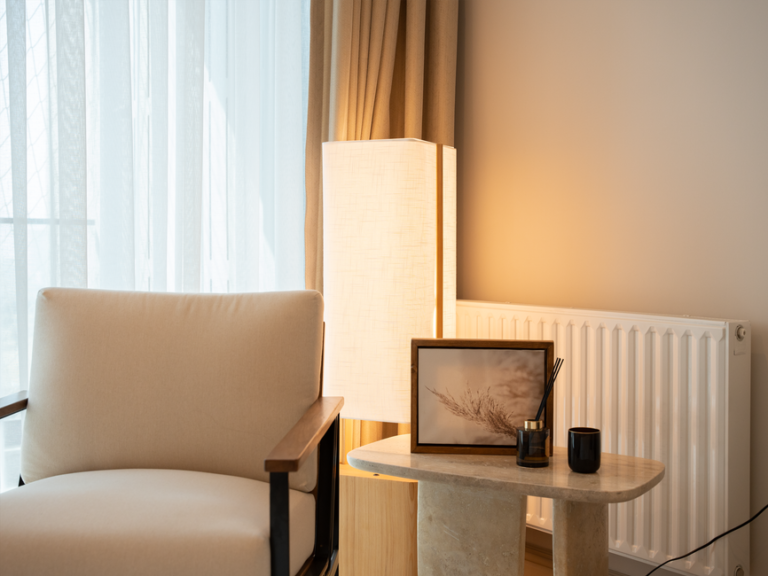
A genuinely sensory-regulating environment is built around lighting, sound, and texture choices tailored to a specific person, not a general template.

Sensory seeking gets less attention than sensory avoiding, but craving movement, pressure, and sound is just as common a way autistic kids regulate.
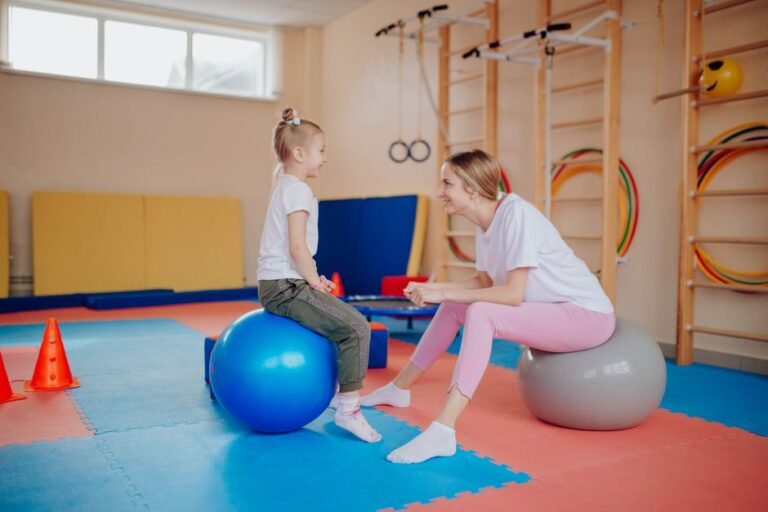
A walk-through of what a typical occupational therapy session involves, so the first appointment feels less unfamiliar.
End of content
End of content