What Makes an Environment Genuinely Sensory-Regulating
A genuinely sensory-regulating environment is built around lighting, sound, and texture choices tailored to a specific person, not a general template.

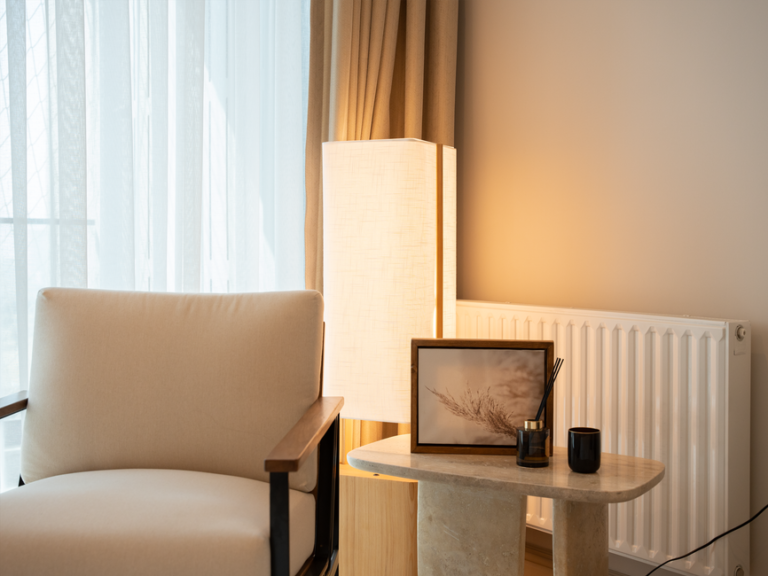
A genuinely sensory-regulating environment is built around lighting, sound, and texture choices tailored to a specific person, not a general template.

Autistic adults often describe masking as a quick, reactive suppression and camouflaging as a more sustained, constructed performance.

The double empathy problem reframes autistic communication difficulty as a two-way mismatch, not a one-sided deficit.

A spiky skill profile means unusually wide gaps between strong and weak areas — not a flaw, but a pattern support can be built around.
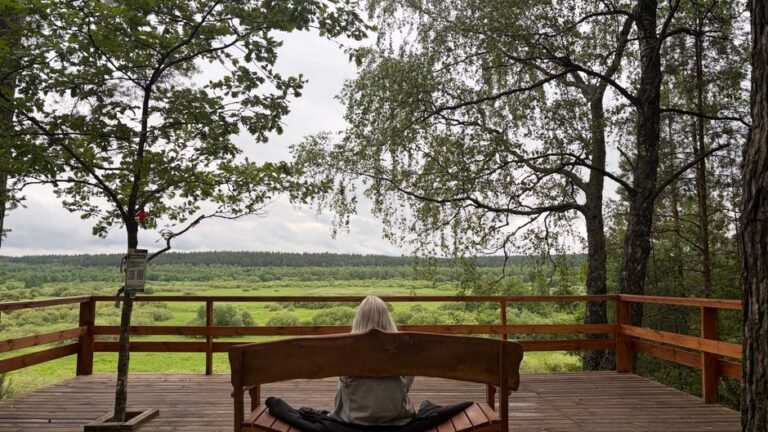
Shutdowns and meltdowns are both responses to overload, but one is loud and outward while the other is quiet and internal.

Special interests often change subject as autistic people grow up, but the intensity and comfort they provide tends to stay the same.
End of content
End of content