How to Build a Hospital Bag for an Autistic Child’s Unexpected Stay
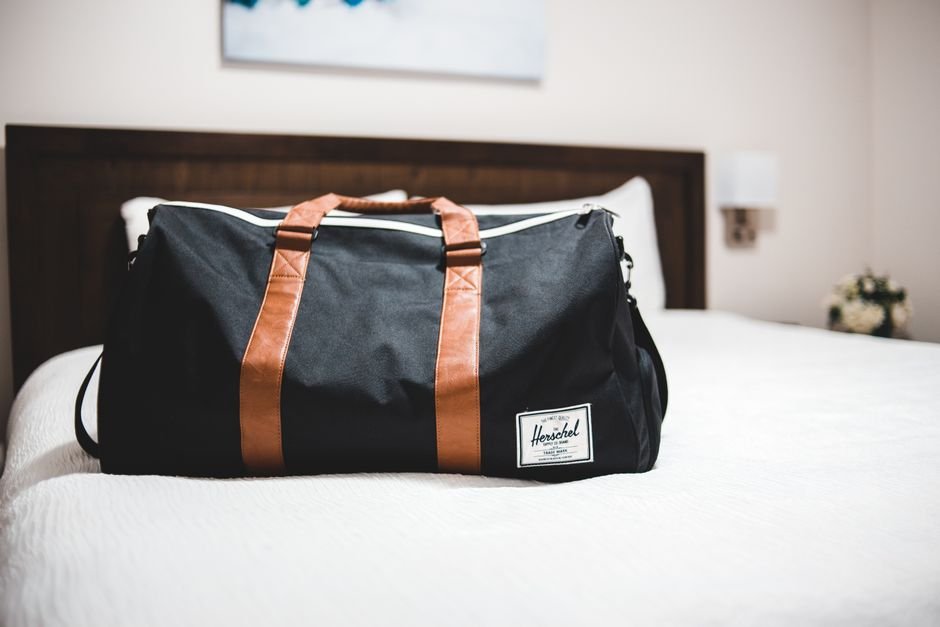
A hospital bag for an autistic child is mostly about familiarity: the things that make an unfamiliar room, unfamiliar people and unpredictable noise a little more bearable. Pack it once, keep it somewhere obvious, and you won’t be making decisions about headphones and pajamas in the middle of an emergency.
If a situation is urgent, get medical help first. The bag can follow later with another adult; nobody needs to delay a trip to the emergency department to find a favorite blanket.
Comfort items for a hospital bag for an autistic child
A hospital stay is different from a day out. Your child may be there overnight or for several days, and they may spend a lot of it in bed, in a gown, in a room that’s never fully dark or quiet. That changes what’s worth packing:
- Their own sleepwear and bedding. A pillowcase or small blanket from home carries a familiar smell and texture. Hospital linens are often stiff and scratchy.
- Noise and light control. Headphones or earplugs, and an eye mask or cap if your child tolerates one. Hospital wards have alarms, overnight checks and lights in the corridor.
- A reliable comfort object. The one they reach for, not a new one bought for the occasion.
- Things to do alone. A tablet with downloaded shows (Wi-Fi can be patchy), a charger with a long cable, and something connected to a special interest.
- Safe foods. Hospital menus may offer nothing your child will eat. Check with the ward before bringing food in, since some tests and procedures require fasting.
If you already keep a sensory go-bag for outings, don’t raid it. Keep the two separate so neither is missing something when you need it.
The page that speaks for your child
The most useful thing in the bag might be a single sheet of paper. Staff change shift every few hours, and you can’t repeat the same explanation to each new nurse at 3am. Write one page covering how your child communicates, what helps when they’re overwhelmed, sensory triggers such as touch without warning or the blood pressure cuff, and how they show pain, which may not look the way staff expect.
If you’ve made a communication passport, print a copy for the bag. Add a list of current medications exactly as prescribed, plus allergies and your child’s regular doctor’s contact details. Tape a copy to the bed or ask the nurse to add it to the chart.
What you’ll want for yourself
You’ll probably stay too. Pack a phone charger, a change of clothes, basic toiletries and snacks for yourself. A notebook helps with the things clinicians say during rounds, which come quickly and are easy to forget when you’re tired.
One thing to do today
Put the one-page profile together tonight while things are calm, and keep a copy on your phone as well. You’ll be glad it exists long before the bag is ever used.
Once your child is admitted, ask whether the hospital has a child life specialist. Many children’s hospitals do, and part of their job is helping children understand and cope with what’s happening. The American Academy of Pediatrics’ HealthyChildren.org has more for families on hospital care, and your child’s pediatrician can help you plan for a stay you know is coming.