
Making a Classroom Work for a Sensory-Sensitive Student
A sensory-friendly classroom doesn’t require a renovation. Most of what helps a sensory-sensitive student comes from small, reversible changes a teacher can make within a week: where things are placed, how transitions are announced, and whether the student has somewhere to go when a room gets to be too much.
Start with the environment, not the student
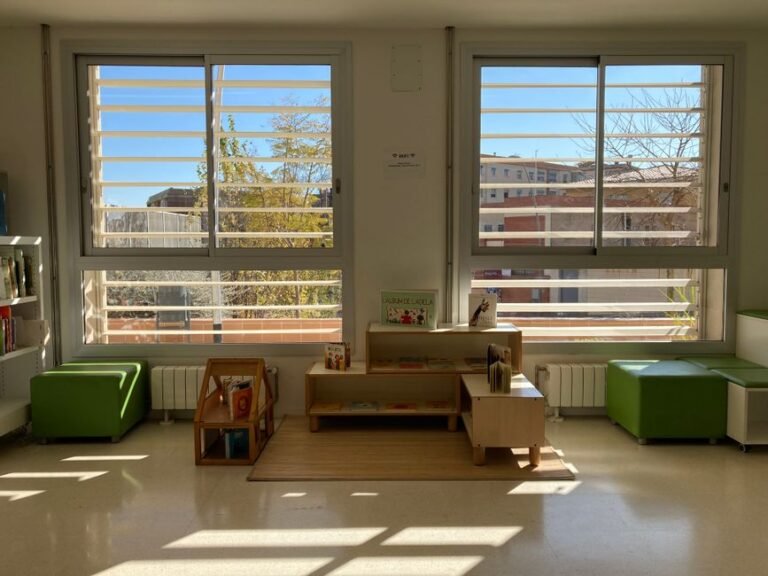
Fluorescent lights, echoing hallways, and unpredictable noise from a hallway or a projector fan are common triggers, and they’re also the easiest things to change. Where possible, seat a sensory-sensitive student away from the door, the pencil sharpener, or a buzzing light fixture rather than in the center of activity. Lamps or natural light instead of overhead fluorescents make a noticeable difference for some students. A visual schedule posted where the student can see it, showing what’s happening now and what’s next, reduces the anxiety that builds when a day feels unpredictable.
Build in an exit that isn’t a punishment
Every sensory-friendly classroom needs a quiet corner or a pre-arranged pass system that lets a student step out before they’re overwhelmed, not after. Framing this as a break rather than a consequence matters — a student who associates the quiet space with being in trouble will avoid using it exactly when they need it most. Noise-reducing headphones, a fidget item, or a weighted lap pad kept at the student’s desk can also help them self-regulate without leaving the room at all.
Talk to the student and their family directly
What overwhelms one student may be neutral or even soothing for another, so the most reliable source of information is the student and their caregivers, not a generic checklist. Ask specifically what sounds, textures, or transitions tend to be hardest, and revisit the plan a few weeks in — sensory needs can shift across a school year. If a student has an IEP or 504 plan, coordinate any changes with the case manager so accommodations are documented and consistent across substitute teachers and specials classes.
None of this requires waiting for a formal evaluation to start. Moving a desk, dimming a light, or agreeing on a quiet signal for “I need a break” can happen this week, and a school’s occupational therapist, if one is available, can help fine-tune the plan from there. The NICE quality standard on autism outlines the broader case for environmental adjustments as a first-line support.