What Makes a Family Vacation Work for an Autistic Child
A family vacation with an autistic child tends to go best when it’s planned for predictability rather than spontaneity. That usually means fewer surprises, a slower pace, and a trip built around what your child already finds comfortable, not around what a travel brochure says a good holiday looks like.
Many autistic kids handle new places well when they know what’s coming. What wears them down is the stacking of unknowns: a new bed, new food, a new schedule, and new noises, all arriving on the same day. The aim isn’t to remove novelty altogether, just to control how much of it lands at once.
Planning a family vacation with an autistic child around predictability
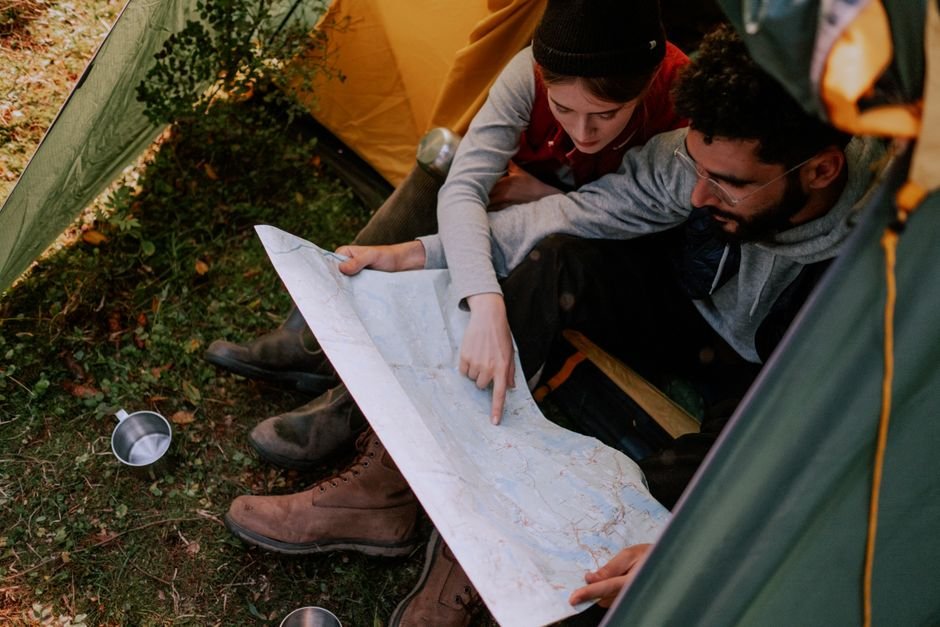
Start with the destination itself. A place you’ve visited before, or one that’s easy to preview, takes a lot of the load off. Look at photos of where you’ll stay, watch a video walk-through of the airport or train station, and trace the route on a map together. Some kids want every detail; others want a short outline. Follow your child’s lead on how much preview helps rather than overwhelms.
Then build a rough daily shape and share it. A visual schedule works on vacation just as it does at home, and “breakfast, beach, lunch, rest, pool, dinner” is plenty. Keep the anchors that matter most from home, such as the same bedtime order or a familiar breakfast, even when everything else changes.
Pace the days, not just the trip
One big outing a day, with quiet time built in afterward, usually works better than a packed itinerary. Accommodation with a separate sleeping area, a kitchen, or simply a door that closes gives everyone somewhere to decompress. Treat travel days as full days, and don’t plan an activity for the evening you arrive.
Plan for change, too. Weather turns, attractions close, flights get delayed. Having a named “Plan B” for each day, and telling your child it exists, makes a switch feel like part of the plan rather than the plan falling apart. Our piece on helping a child adjust to a change in plans covers how to talk through a switch when it happens.
Bring the familiar with you
Pack the sensory tools your child already uses: headphones, a favorite blanket, a pillowcase that smells like home, known snacks. Unfamiliar food is one of the most common sources of stress on trips, so it’s reasonable to bring or buy familiar staples rather than expecting a child to eat whatever the hotel serves.
If you’re flying, check whether the airport runs a hidden-disability or accessibility assistance program; many do, and some offer quieter routes through security. Contact the airline and hotel before you go and ask plainly what they can offer: a quieter room away from the elevator, early boarding, a table in a calmer corner of the restaurant.
One thing to do today
Pick a single photo of where you’re going and put it somewhere your child will see it every day. Mention it casually. That small, repeated preview often does more than a long briefing the night before you leave.
A good trip might look different from the one you pictured, and that’s fine. If travel reliably brings on distress that doesn’t settle, or your child has medical needs to plan around, talk it through with your pediatrician or occupational therapist before booking. For perspectives written by autistic people themselves, the Autistic Self Advocacy Network is worth reading.