
How to Prepare for Your First IEP Meeting
Good first IEP meeting preparation means showing up with your own notes, not just reacting to whatever the school presents. You’re a full member of the team writing the plan, not a guest listening to a decision that’s already been made.
Before the Meeting
Write down, in your own words, what you’re seeing at home that you want addressed at school: specific behaviors, specific struggles, specific things that have helped. Bring copies of any outside evaluations, therapy reports, or letters from a pediatrician or specialist, even if the school already has them on file — paperwork gets misplaced more often than anyone would like to admit. If your child is old enough to have opinions about their own accommodations, ask them beforehand what’s hardest about the school day.
Request a draft of the IEP or evaluation results ahead of the meeting if the school hasn’t already sent one. Reading it beforehand, even briefly, means you’re not processing new information and forming questions in real time under pressure.
What to Bring
- A one-page list of your top three concerns, in order
- Copies of outside reports or evaluations
- A notebook or note-taking app for the meeting itself
- A list of questions you want answered before you leave the room
You’re also allowed to bring another adult — a spouse, a friend, an advocate, or a relative who knows your child well. A second set of ears catches details that are easy to miss when you’re also managing your own nerves.
It also helps to think through your own priorities before the meeting starts. If the school proposes five goals and you can only push hard on one or two, decide in advance which ones matter most to your family, so you’re negotiating from a plan rather than reacting item by item as the list comes up.
During the Meeting
Ask what data supports each proposed goal, and ask what happens if a goal isn’t met by the next review. If a term is unfamiliar, ask for it to be defined in plain language before you agree to anything built on it. If the meeting follows a recent move or transfer, it’s worth reading our piece on supporting an autistic child through a school change beforehand, since a lot of first-IEP-meeting anxiety overlaps with general transition stress. If sensory needs come up, ground the conversation in specifics rather than a general label, similar to what’s described in making a classroom work for a sensory-sensitive student.
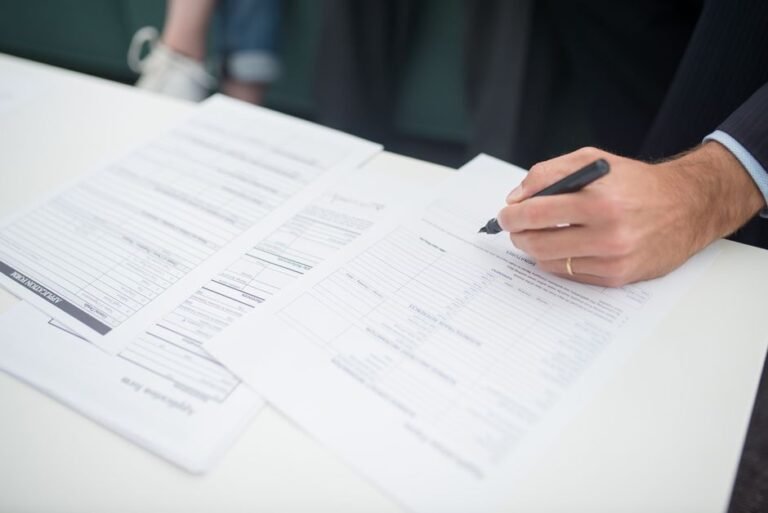
You don’t have to sign anything at the end of the meeting. If something feels rushed or unclear, it’s reasonable to ask for time to review the document at home and sign later.
It’s also fine to ask, partway through, for a short break to collect your thoughts, especially if the conversation has covered a lot of ground quickly. Meetings that run an hour or more are common, and pacing yourself matters as much as preparing beforehand.
The Autistic Self Advocacy Network’s advocacy toolkits include material on preparing for exactly this kind of meeting, written with the student’s rights in mind rather than the school’s convenience.
Whatever else happens in the room, leave with a written copy of what was agreed to before you go.